Rural
Renaissance
Roadshow
November 4-6, 2026 | Decatur, Alabama
Join local leaders and energy innovators transforming rural communities. View the speakers for this year’s Rural Renaissance Roadshow!


Join local leaders and energy innovators transforming rural communities. View the speakers for this year’s Rural Renaissance Roadshow!
What does it take to build a future where all communities have the resources and opportunities to thrive? A Vision for Shared Prosperity will explore how investment, collaboration, and community-driven leadership can create lasting economic opportunities and strengthen local communities. Panelists will share their perspectives on building a more equitable future, supporting community priorities, and ensuring that prosperity is shared by the people and places that make it possible.
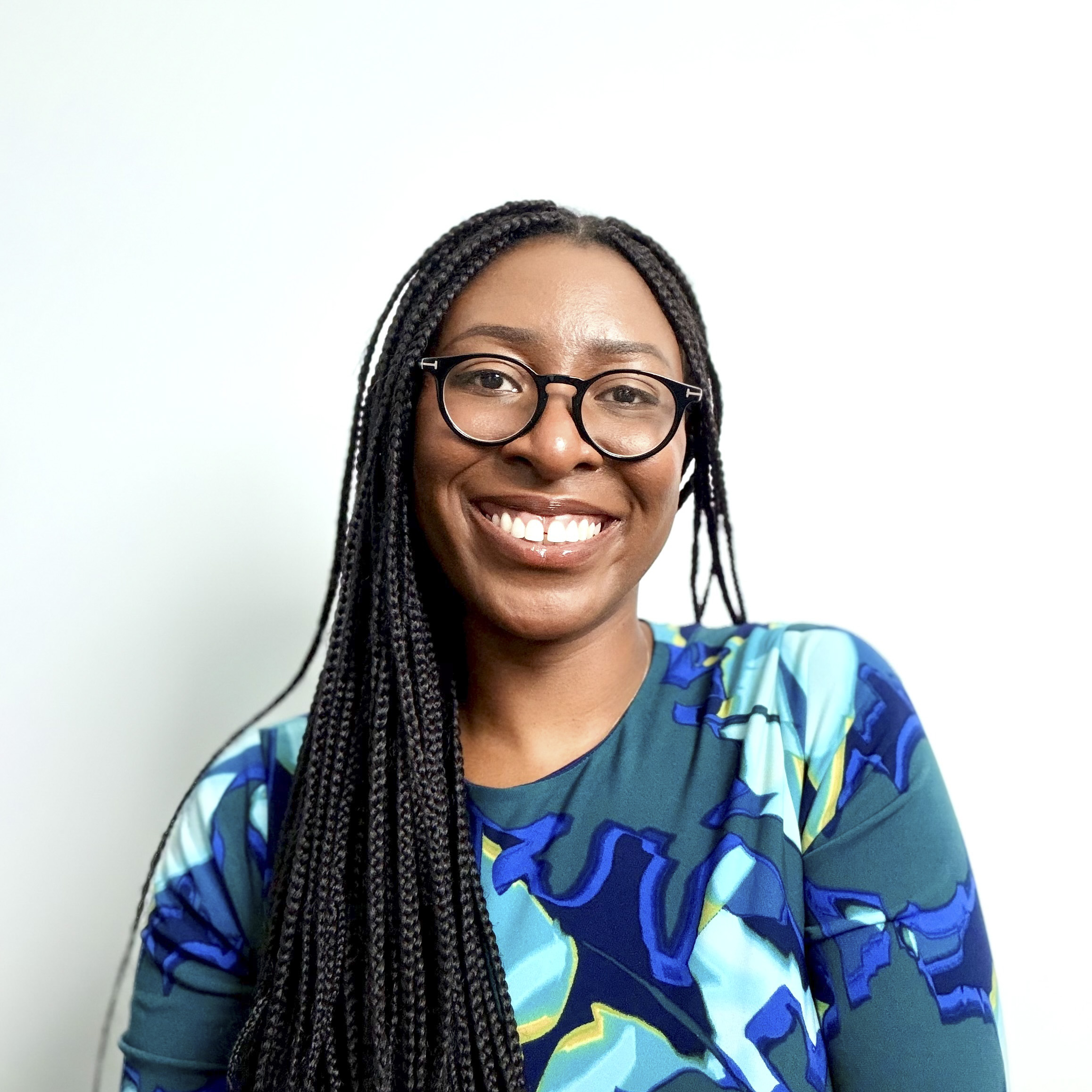
Founder, President, and CEO of Sustain Our Future Foundation (SOFF)
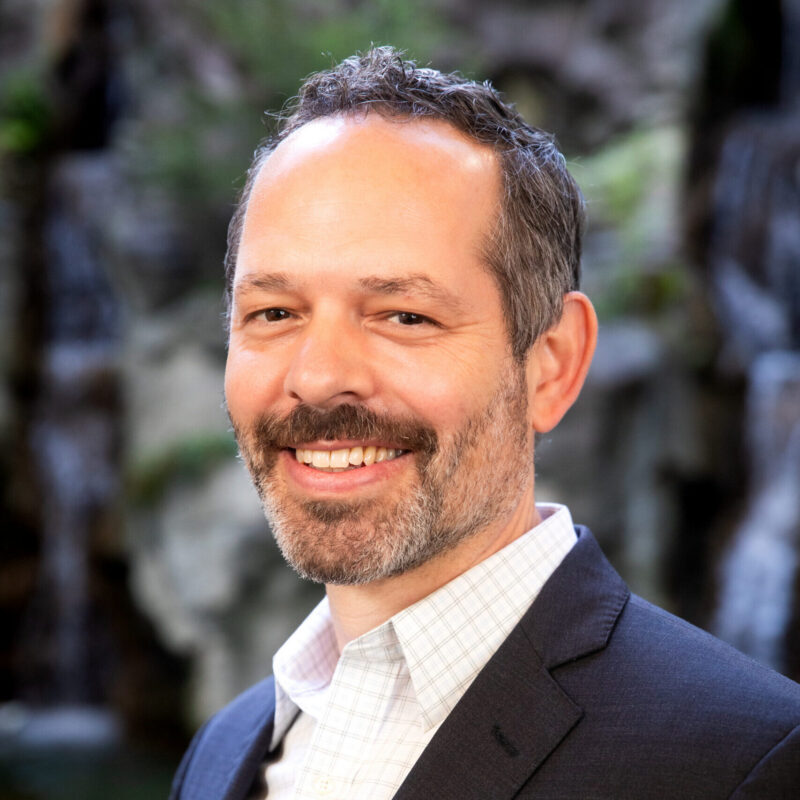
Executive Director, Invest in Our Future
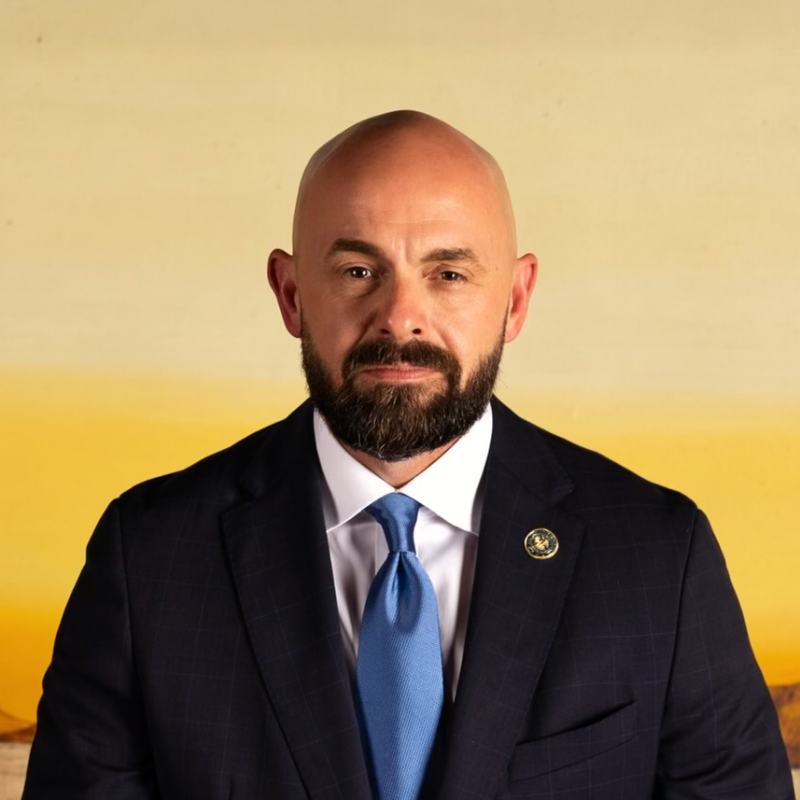
Mayor of Monroe, Louisiana
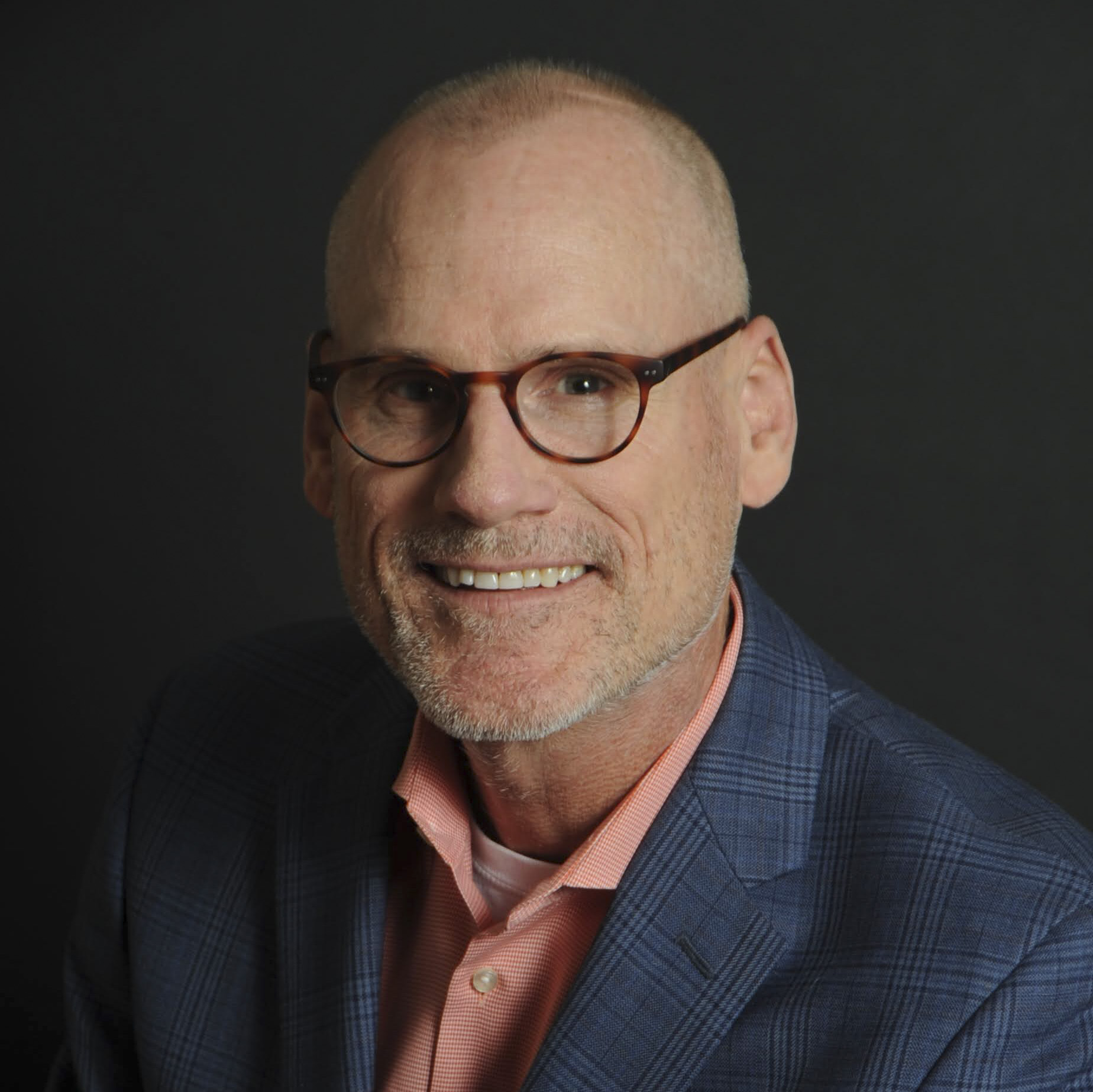
CEO, Union Up
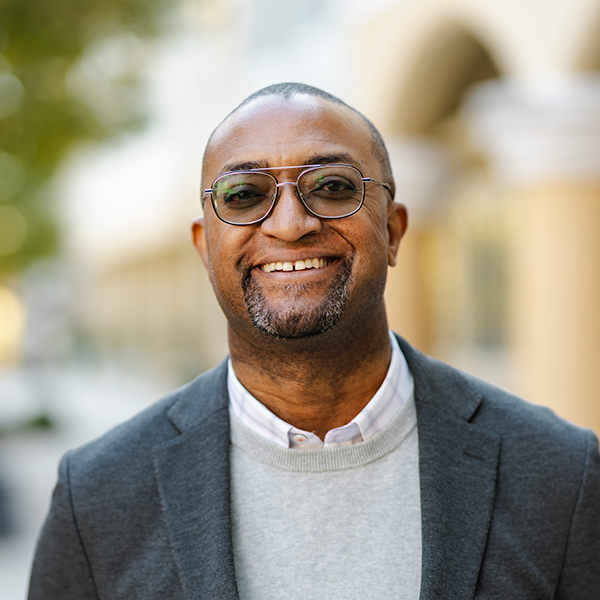
Senior Vice President, Community Development, Groundswell
As communities navigate the opportunities and challenges that come with major energy development, being a good neighbor requires more than simply showing up. This case study will explore how Google approaches community relationships, engages local stakeholders, and works to align its energy needs with community priorities. The conversation will examine what meaningful partnership looks like in practice and how companies can build trust, support local priorities, and contribute to long-term community benefits.
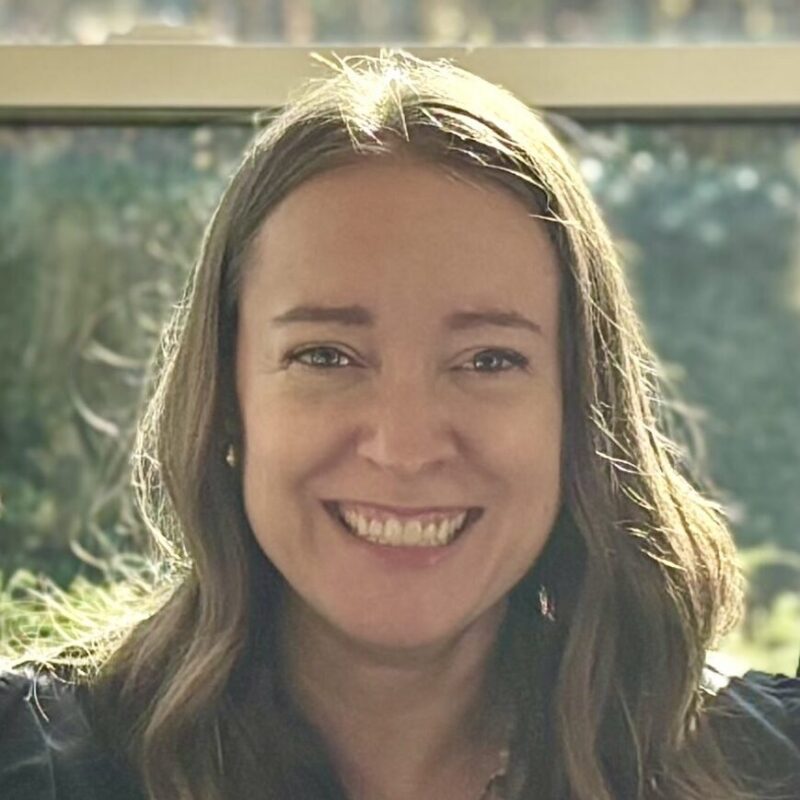
Lead for Energy Market Development & Policy, Eastern US, Google
The arrival of xAI’s data center in Memphis has brought questions about the impacts of large-scale development on local communities. This case study will examine the community concerns, local impacts, and questions of accountability surrounding xAI’s presence in Memphis. Drawing on the perspective of local leadership, the conversation will explore lessons for communities navigating major development projects and working to protect residents’ interests.
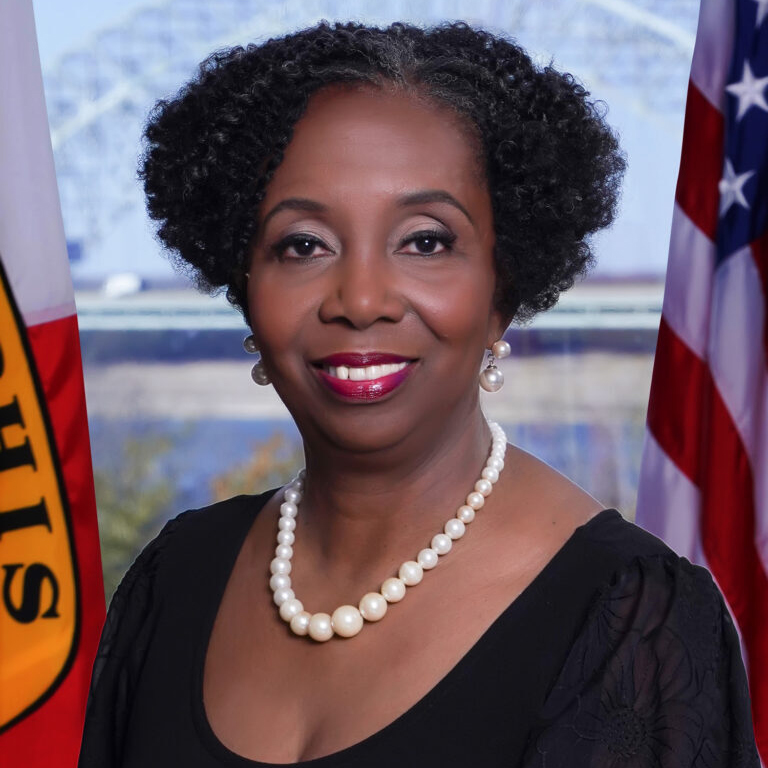
Memphis, TN, City Council, District 3
Data centers are arriving in rural counties faster than local governments can prepare for them. Sarah Hunt and Commissioner Amelia Powers Gardner discuss what it takes to bring one to your community responsibly — to the environment, economy, and culture of rural America. They’ll cover the questions to ask before the first shovel, the state and local tools at your disposal, how to negotiate beyond a standard community benefits agreement, incorporating clean energy, zoning, permitting, and other legal considerations.
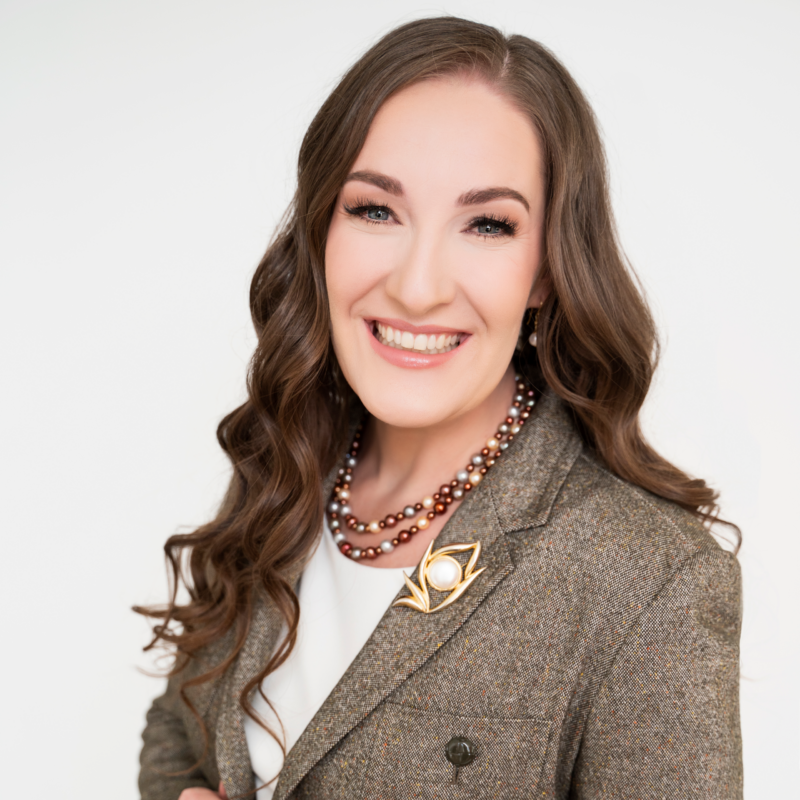
Utah County Commissioner and National Chair, LAMP
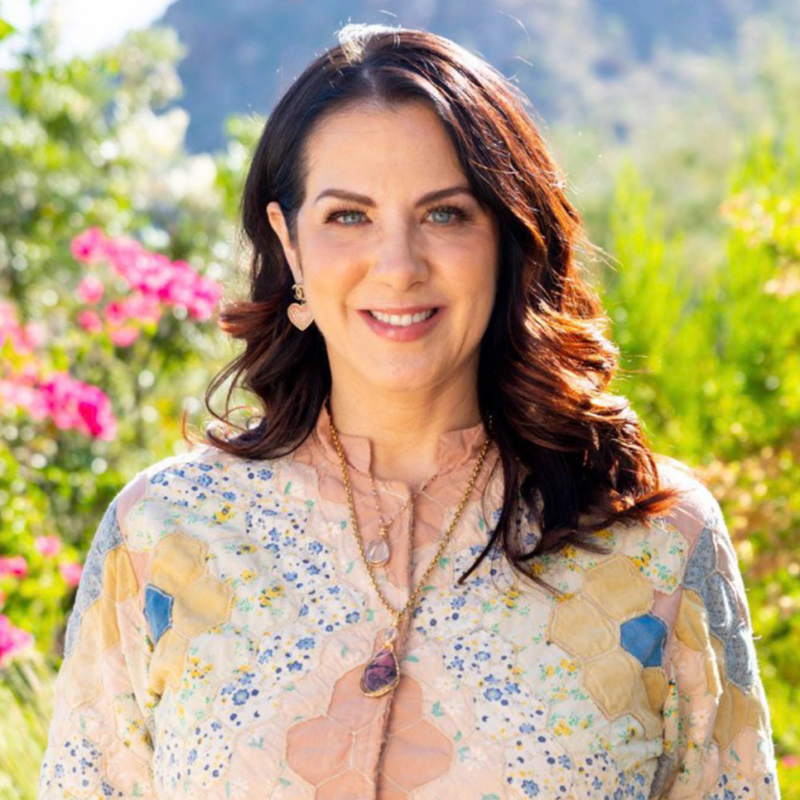
CEO & President, Joseph Rainey Center for Public Policy
What themes, challenges, and opportunities are emerging across the conversations shaping our collective work? This panel will share key takeaways from their respective tracks, highlighting the ideas and insights that stood out and exploring how these discussions can inform the path forward.

Digital News Director of ICT

Business Reporter, Chattanooga Times Free Press
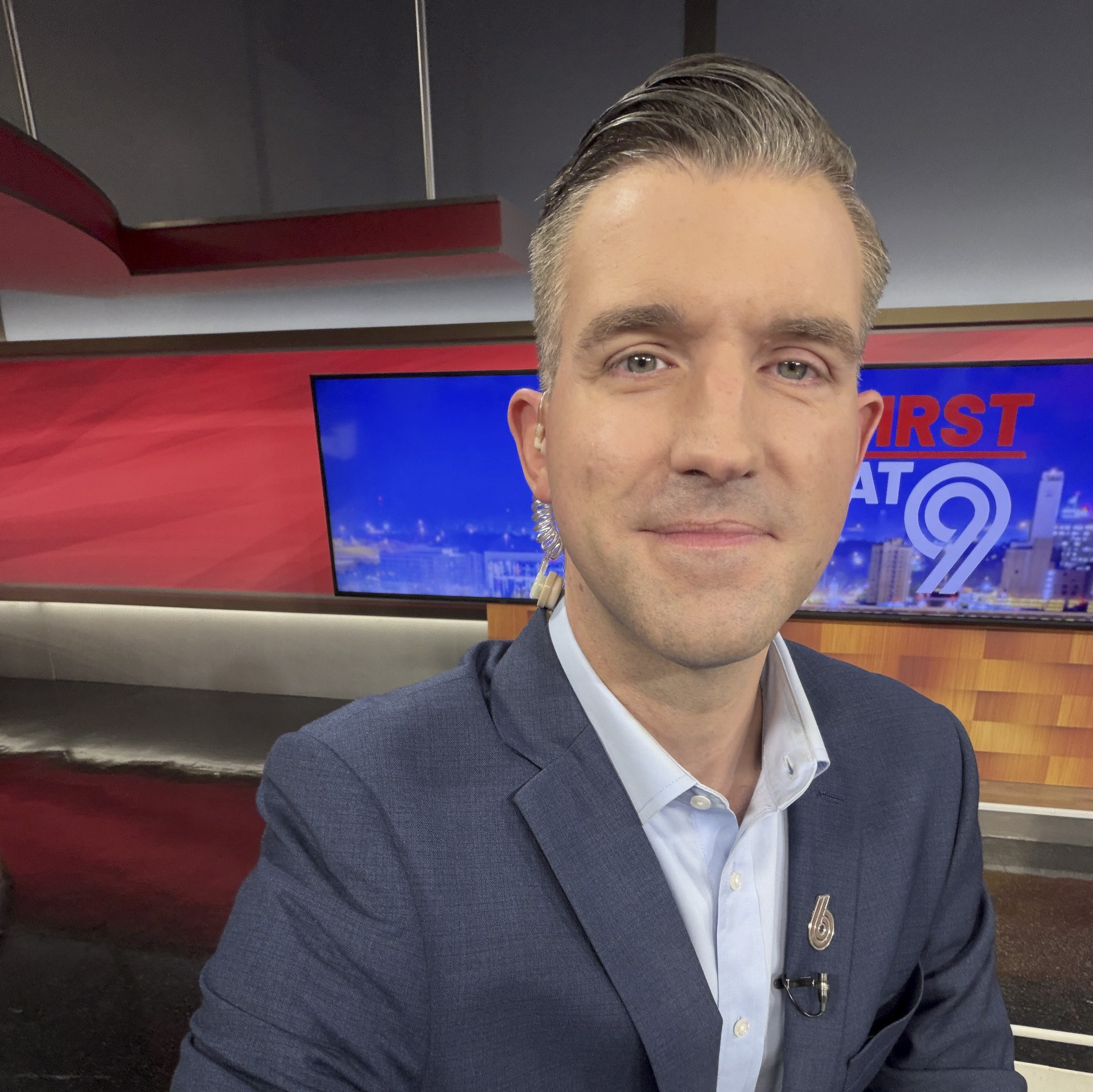
Reporter, WBRC 6 News

Founder and Publisher, The Edge
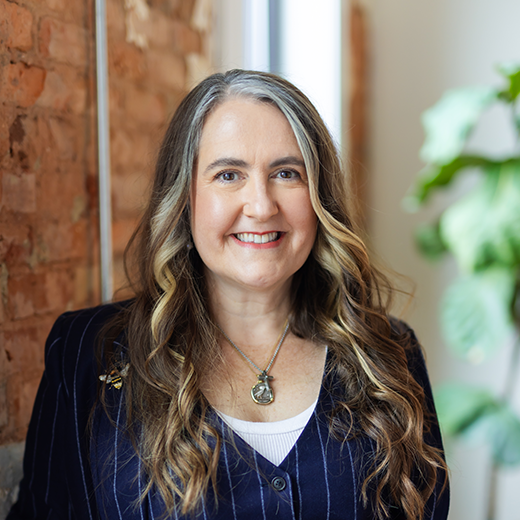
Chief Executive Officer, Groundswell
Founder, President, and CEO of Sustain Our Future Foundation (SOFF)
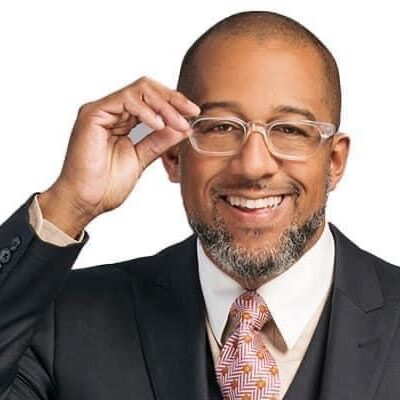
CEO, Urban League of Arkansas
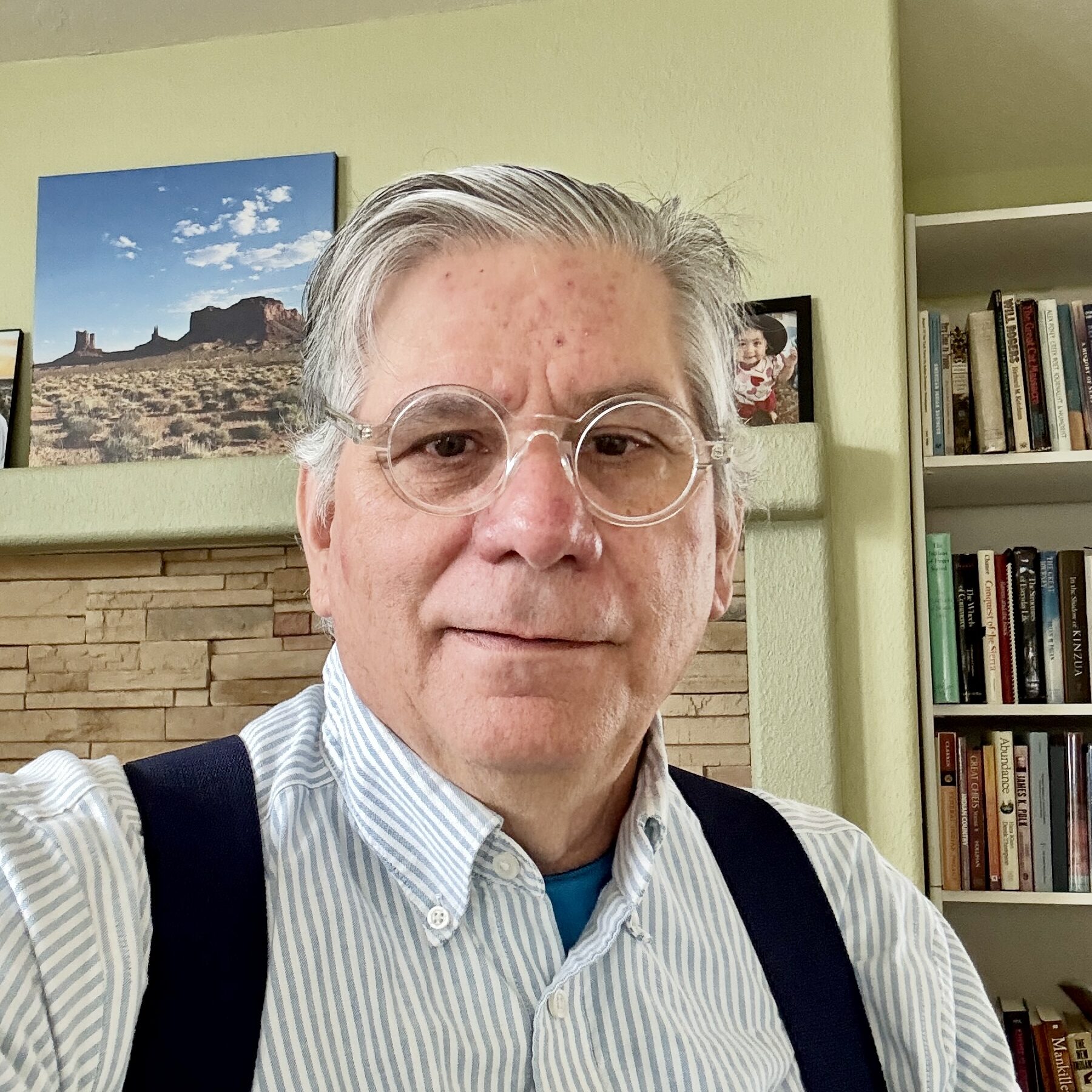
Writer, Producer, & Former Editor of ITC
AI data center development is expanding rapidly, bringing new questions around energy demand and infrastructure, land availability, and water use. Sherry Stout will kick off the main day of the Roadshow with a keynote that grounds attendees in the evolving landscape we’re operating in, featuring national-scale maps on data center infrastructure and energy demand, alongside technical insights for local communities developed by the National Laboratory of the Rockies.

Laboratory Program Manager, State, Local, and Tribal Activities, National Lab of the Rockies
Data center development is accelerating at a pace that grid planners never anticipated, forcing utilities to invest billions in new infrastructure, while a critical question remains unanswered: who foots the bill? This panel examines how surging load growth is impacting the Energy & Affordability Crisis, what rate design tools exist for equitable cost allocation, and what happens to everyday ratepayers if the industry gets it wrong.
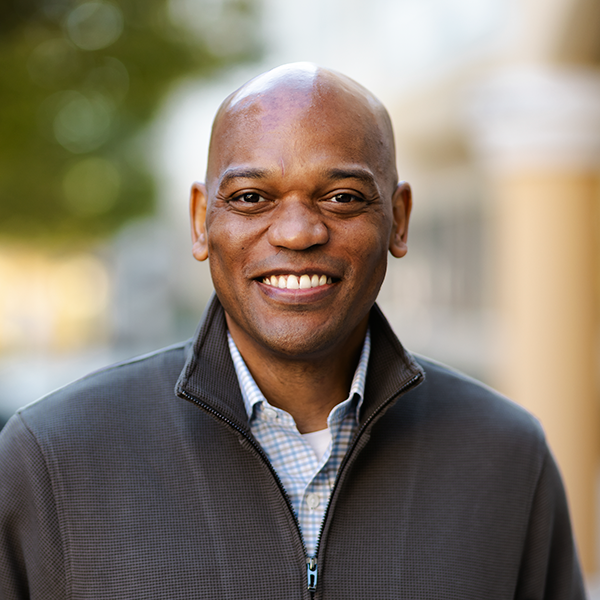
Senior Vice President of Distributed Power Solutions, Groundswell
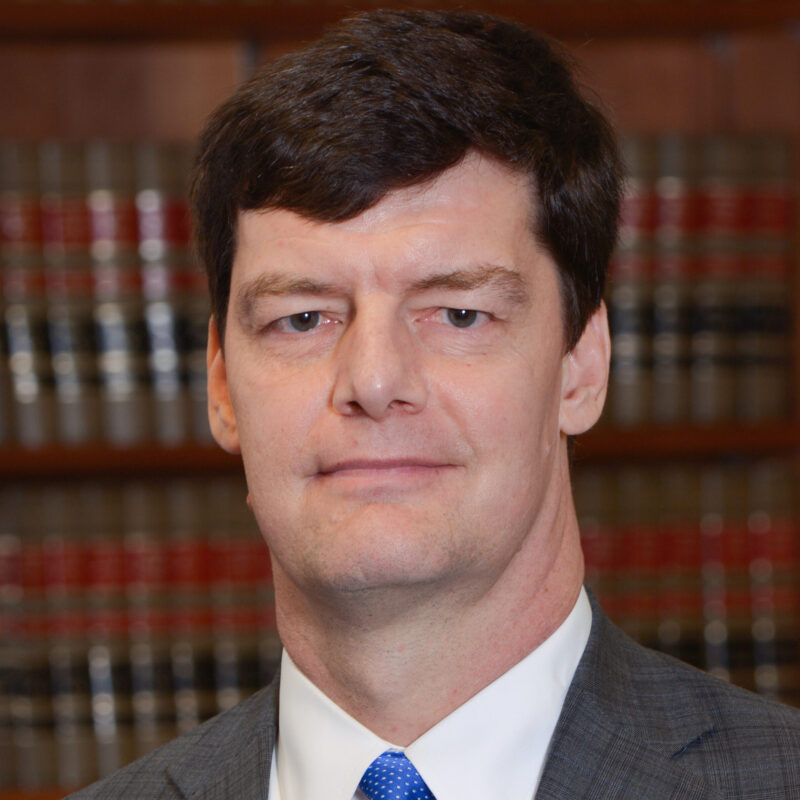
Founding Partner, Energize Strategies & Senior Advisor, PowerLines
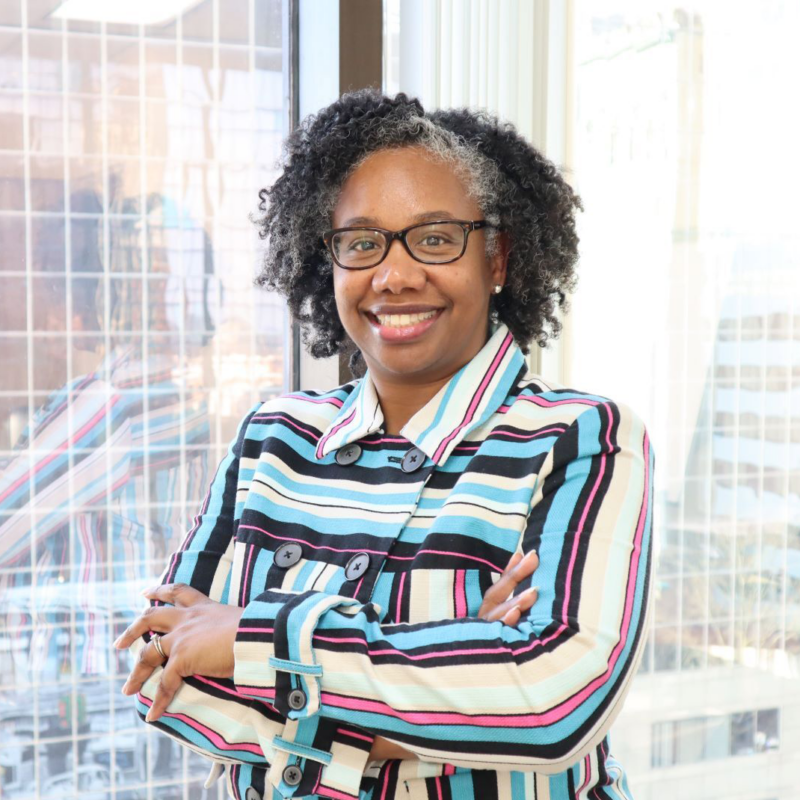
Clean Energy and Equity Director, Southern Alliance for Clean Energy
Faith communities are uniquely positioned to help build resilience in the face of rising energy costs, extreme weather, and changing community needs. In this conversation, faith leaders join energy experts to explore how distributed energy can serve as a practical tool for strengthening communities, expanding energy access, and advancing a broader ministry of care and resilience.
Founder, The Footprint Project
Senior Pastor, Historic West Hunter Street Baptist Church
Director of Environmental Sustainability at Global Ministries
Executive Director of Community Resiliency
Program Director, Georgia Interfaith Power and Light
Solar energy and agriculture can work together to create new opportunities for farmers while supporting local communities and energy systems. This session explores how farm-friendly solar can help preserve agricultural productivity, expand clean energy, and deliver benefits for farmers and their neighbors.
Professor, School of Geography, Development, & Environment, University of Arizona

Sustainability Scientist and AAAS Science & Technology Policy Fellow in the U.S. Department of Energy’s Integrated Energy Systems Office (IESO)
Vice President of Project Implementation at Groundswell
VP, Regenerative Energy and Agrivoltaics, Silicon Ranch
Strong partnerships between communities and local utilities can play a critical role in building reliable, resilient energy systems. This session explores how utilities and communities can work together to prepare for challenges, strengthen local infrastructure, and create energy solutions that better serve residents.
ANEC Strategic Engagement Facilitator
West Memphis Utilities
Vice President of Compliance and Distribution Services, Energy Southeast
Senior Vice President of Distributed Power Solutions, Groundswell
Rural communities face unique challenges in preparing for, responding to, and recovering from flooding. This session explores how scientific research, data-driven insights, and community-based planning can help communities assess flood risks, strengthen preparedness, and build long-term resilience while protecting residents, infrastructure, and critical water resources.
Professor of Hydrology and Water Resources in Department of Civil, Construction and Environmental Engineering at the University of Alabama
Deputy Director of Regional Programs, Southeast Rural Community Assistance Project, Inc. (SERCAP)
Vice President of Technical Services, Groundswell
Sustainable water infrastructure is essential to the long-term health, resilience, and economic vitality of rural communities. This session explores how strategic water planning, regional collaboration, and community-focused solutions can help communities address infrastructure challenges, strengthen water systems, and ensure reliable access to safe, sustainable water resources for generations to come.
CEO of Southeast Rural Community Assistance Project, Inc. (SERCAP)
Director of Southeast Regional Market Development, Groundswell
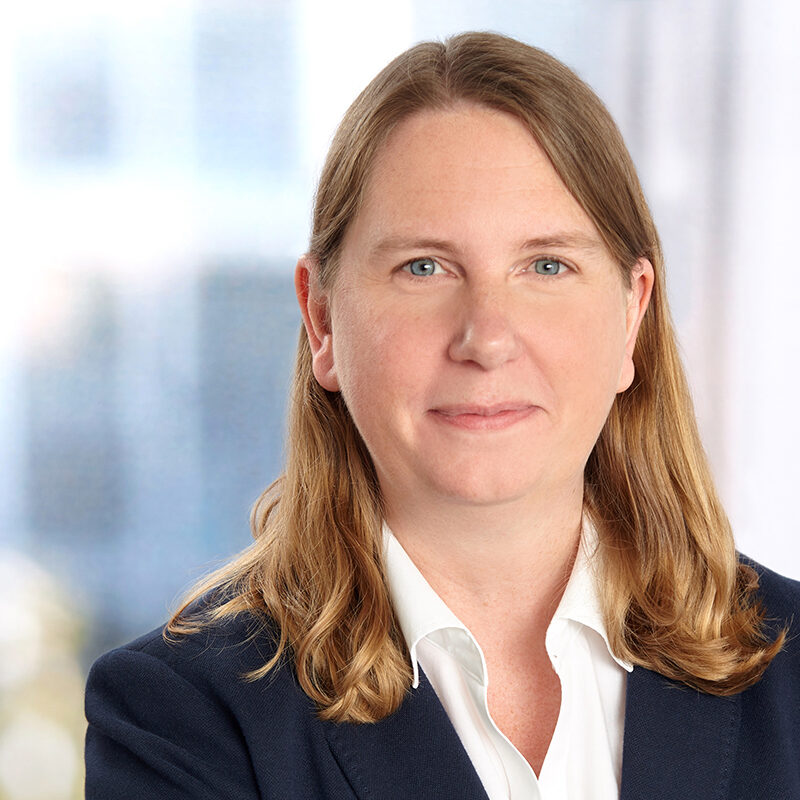
Director of Water Strategy, Metro Atlanta Chamber
As data centers expand, their growing water demands raise important questions about resource management and long-term sustainability. This session explores the water challenges associated with data center development, including opportunities for water reuse, conservation, and responsible resource planning to help balance technological growth with community needs and environmental protection.
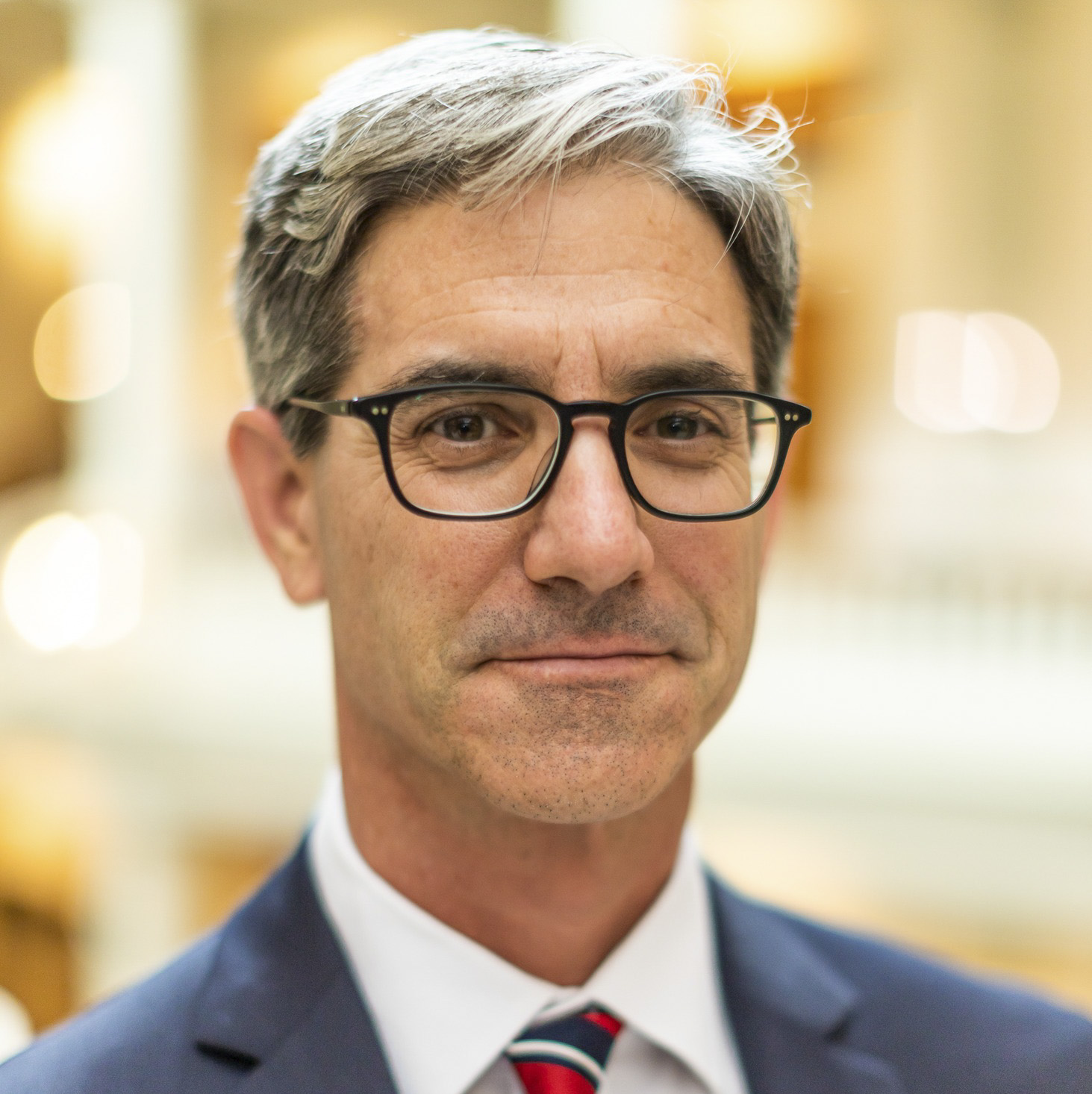
Water Policy Director, Chattahoochee Riverkeeper
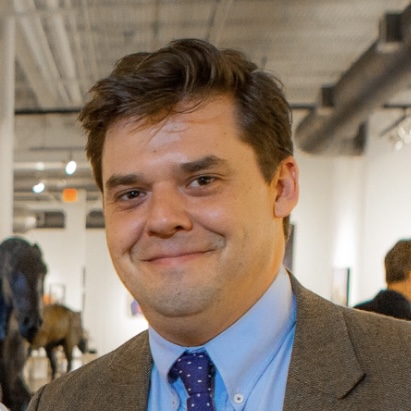
Executive Director, Altamaha Riverkeeper
Vice President of Technical Services, Groundswell
Water holds deep cultural, environmental, and community significance for Indigenous peoples. This session explores Indigenous perspectives on water stewardship, the impacts of emerging infrastructure development, including AI and data centers, and the importance of incorporating Indigenous knowledge and community priorities into decisions about water resources and the future of rural communities.
Digital News Director of ICT
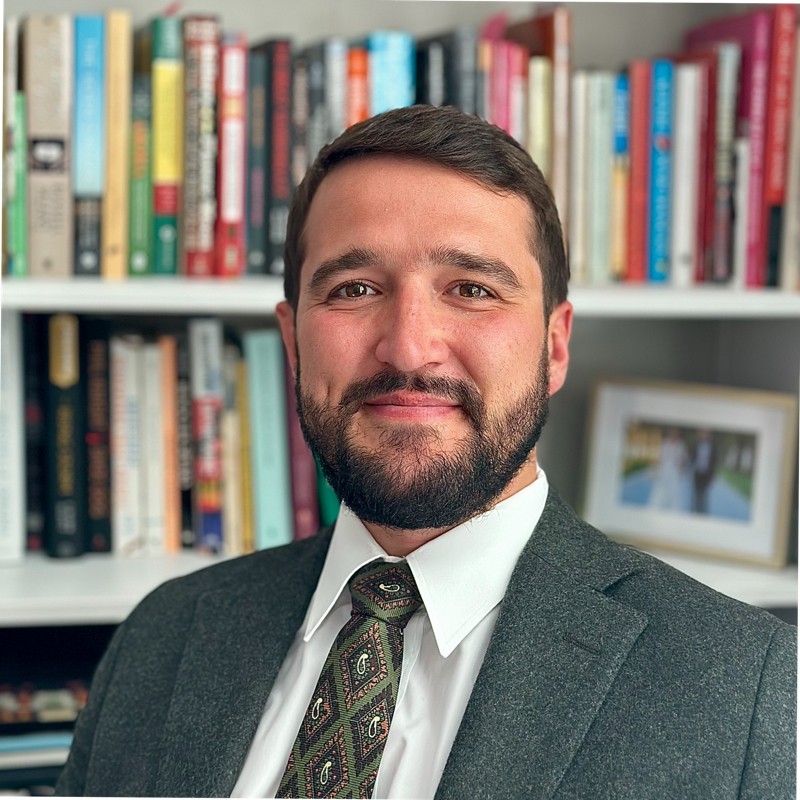
Program Director for the National Fund for Excellence in American Indian Education
Heirs property can create significant challenges for families seeking to protect inherited land, establish clear ownership, and preserve generational wealth. This session explores strategies for addressing heirs property issues, strengthening land tenure, and helping rural families navigate legal, financial, and policy barriers to keeping land within their families for future generations.
Partner, Gregory Varner & Associates & Chief Legal Counsel, Clear Landing, Inc.

Executive Director, Georgia Interfaith Public Policy Center
Director for the Land & Revenues Program, LiKEN Knowledge
Senior Vice President, Community Development, Groundswell
Local communities need effective tools to shape land use decisions and guide development in ways that reflect their priorities. This session explores practical policy approaches, local decision-making strategies, and community engagement tools that can help rural leaders protect local interests, guide responsible development, and support long-term community goals.

Federal Resources Coordinator, Southern Economic Advancement Project
Planning Director, City of Decatur, Alabama

Senior Manager of Energy Resilience, Southeast Sustainability Directors Network

Councilman, City of South Fulton, Georgia, District 4
As data center development expands into rural communities, residents face important decisions about land use, local priorities, and long-term community impact. This session explores how grassroots organizing, civic engagement, and community-led advocacy can help residents navigate development proposals, strengthen their collective voice, and shape decisions that reflect their needs and vision for the future.
Advocacy and Organizing Director at Resource Rural
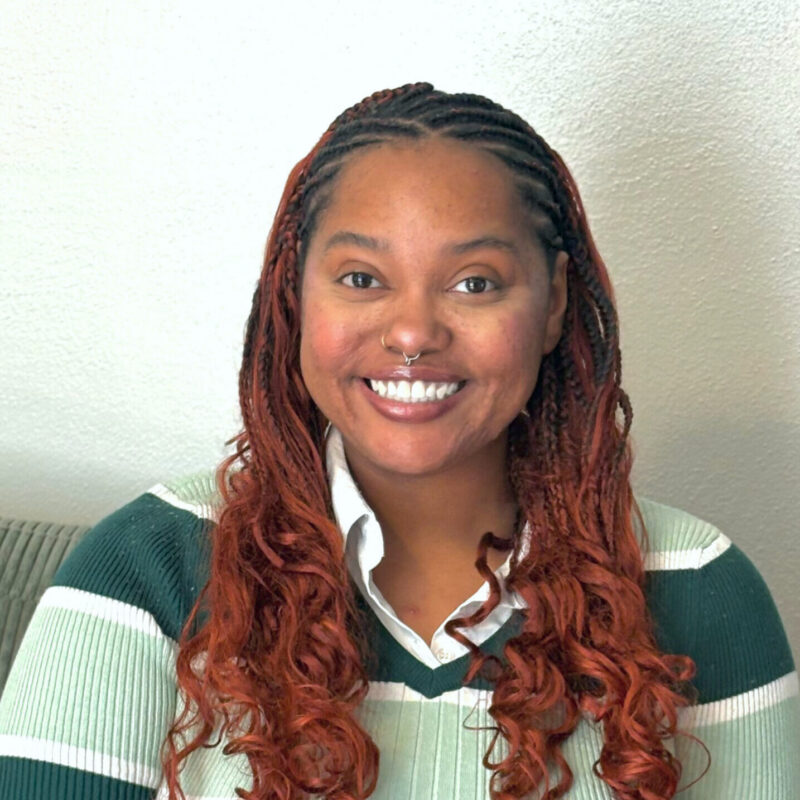
Inner Works
Agriculture remains central to rural economies, livelihoods, and land stewardship. This session explores how land use decisions, agricultural innovation, and economic strategies can support the long-term viability of working lands while helping rural communities balance productivity, conservation, and changing economic pressures.

Owner & Operating Partner, Bridgeforth Farms

Alabama Water Resources Commission, Owner of Peek Family Farms
Community benefit agreements can help ensure that economic development and clean energy investments create lasting value for the communities they affect. This session explores how policymakers, corporate leaders, and community stakeholders can develop inclusive strategies that prioritize local economic opportunities, workforce development, and equitable outcomes while supporting long-term sustainability and community well-being.
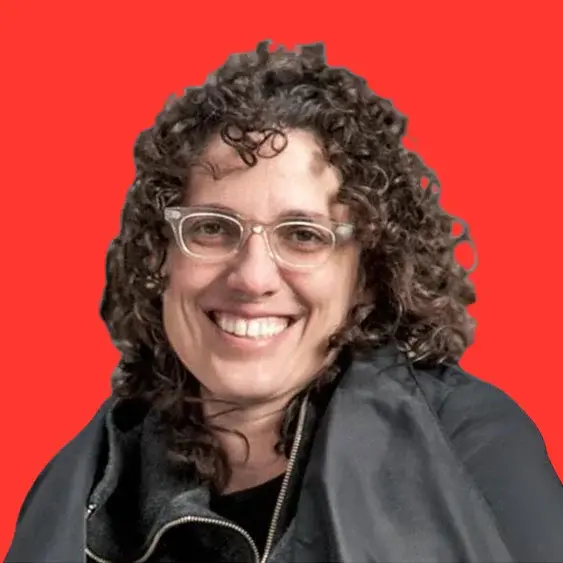
Senior Vice President, WSP

Director, U.S. Clean Energy Economy Program, WRI U.S. Polsky Energy Center
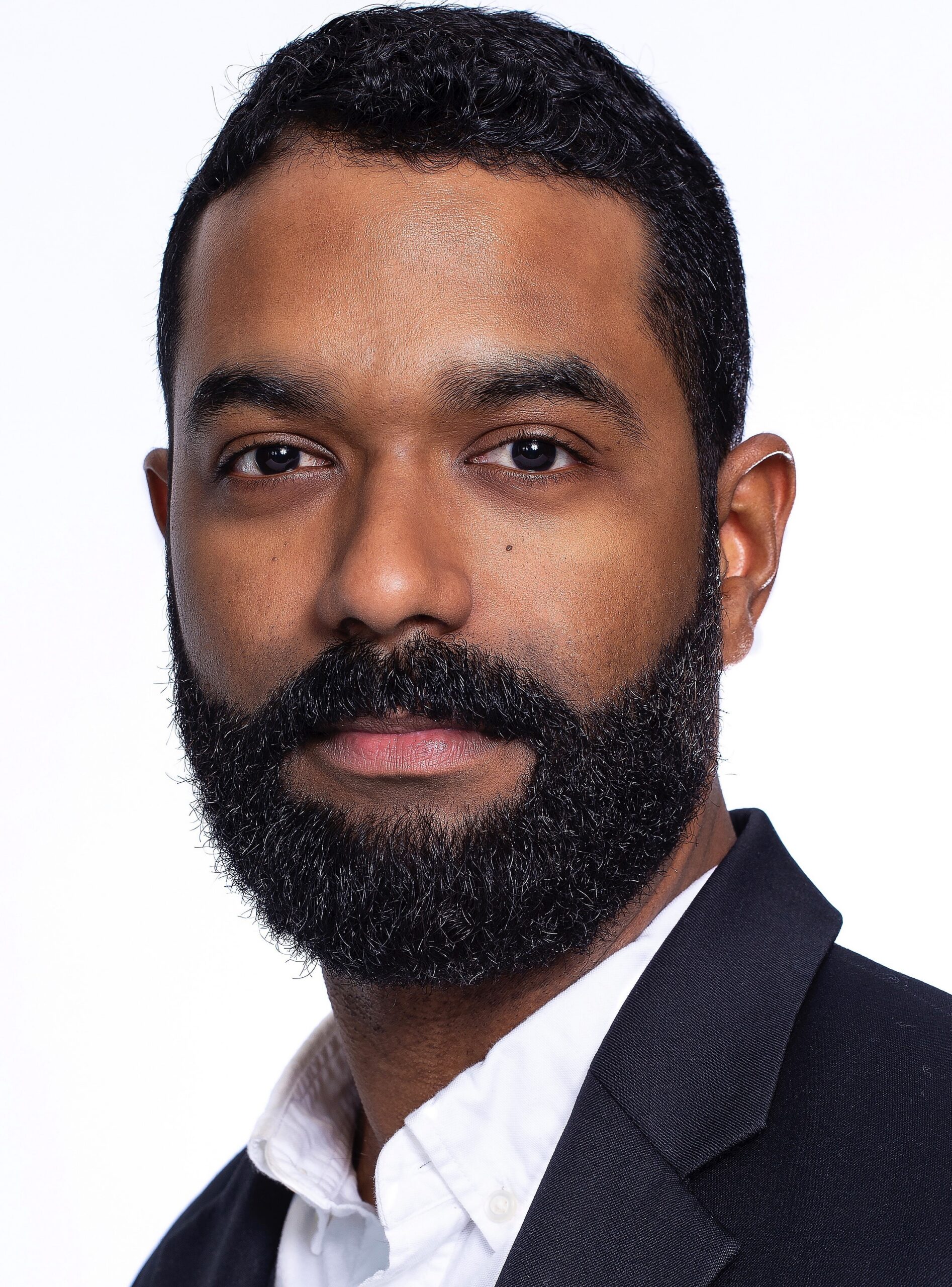
Manager, Climate, Community Benefits and Social Impact
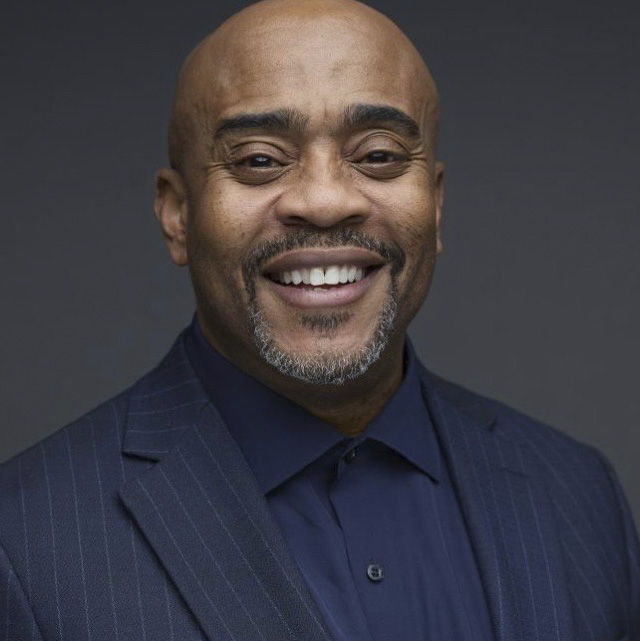
Strategic Exectutive, Government Affairs Leader, Boardroom Advisor
Cultural heritage plays an important role in building resilient communities and preserving local identity. Using the Gullah Geechee community as a case study, this session explores how cultural preservation, historic neighborhood development, and community-centered resilience planning can help protect cultural traditions while supporting sustainable futures for generations to come.
Executive Director of the Gullah Geechee Historic Neighborhoods Community Development Corporation
Councilman, Beaufort County, SC
Community Resilience Manager, Groundswell
Resiliency Manager, Gullah Geechee Cultural Heritage Corridor NHA
As artificial intelligence reshapes the workforce, rural communities face both new challenges and opportunities for economic growth. This session explores how education, workforce development, and industry partnerships can prepare workers for an evolving economy while expanding access to meaningful employment, economic mobility, and long-term opportunity.
Energy Infrastructure Training Manager, Alabama Power Company

Professor and Executive Director, Alabama A&M University, Center for Entrepreneurship, Innovation and Economic Development
Executive Director, Alabama Training Network
Master Teacher, AUTeach - Auburn University
Building resilient rural communities starts with understanding the people who call them home. This session explores how community engagement, data-driven insights, and collaborative strategies can help rural communities identify local priorities, navigate challenges, and develop solutions that support long-term resilience and economic growth. Through perspectives on community initiatives, resilience planning, and community engagement, panelists will discuss how local knowledge can inform meaningful action and help communities build a stronger, more sustainable future.
Co-Founder & Managing Partner, Moncara Group
Community Resilience Manager, Groundswell
Interim Director of Community Initiatives, Greenlin Analytics

Founder & CEO, Hummingbird
Hear directly from SOUL partners as they share practical experiences, lessons learned, and strategies from their work in rural communities. Featuring perspectives from leaders in green housing, real estate, and energy solutions, this session highlights real-world approaches to building partnerships, advancing sustainable development, and creating lasting value for the communities they serve
Co-Founder and Chief Executive Officer, EEtility
Owner and Principal Broker of DCA Realty, LLC
Vice President of Business Development, CLEAResult
Vice President of Project Implementation at Groundswell

CEO, GreenHome South
Rural communities need practical tools and reliable information to make informed decisions about their energy futures. This session explores how energy planning resources, data, and technical assistance can help local leaders evaluate energy needs, assess infrastructure options, and identify strategies that support affordability, reliability, and long-term community development.
Group Manager, National Laboratory of the Rockies (NLR)
Laboratory Program Manager, State, Local, and Tribal Activities, National Lab of the Rockies
As data center development and electricity demand grow, communities are raising important questions about energy costs, utility infrastructure, and who bears the financial impact. This session brings together utility, industry, and policy perspectives to explore the factors driving rising energy bills, how large-scale energy users affect electricity systems, and what strategies can help balance infrastructure investment with affordability for residential and business customers.
Senior Program Manager, Community Energy, Microsoft
Vice President of Community Engagement & Communications, Cloverleaf Infrastructure
Director of External Affairs, Huntsville Utilities; Board of Directors for Utility Communications
Partner and General Counsel for GeorgiaLink Public Affairs Group, LLC
Community Resilience and Strategic Partnerships, Southern Company
Data center development involves complex permitting and approval processes that can shape a project’s environmental impact and community benefits. This session explores how rural communities can navigate regulatory requirements, engage effectively in public decision-making, and use permitting processes to advocate for environmental protections, transparency, and community priorities before projects move forward.
A wave of data center development is arriving in rural America with a speed and scale that local governments, tribes, and community organizations are rarely prepared to meet. Developers arrive with sophisticated legal teams, pre-negotiated incentive packages, and an urgency that compresses the window for meaningful community input. What communities often don’t know is that the approval process itself — across environmental permitting, land use, utility regulation, and federal review — contains real leverage points. Used proactively, these processes can secure enforceable commitments on jobs, infrastructure, clean energy, water use, and community benefits that persist long after a project breaks ground.
This session introduces a practical framework, the Data Center Permit Matrix, that maps every major approval a data center project typically requires, what each process covers, who makes decisions, and where communities have meaningful standing to shape outcomes. Michelle Roos of EPN and Jillian Blanchard of L4GG will walk through the matrix in sequence, drawing on their combined expertise in federal environmental review, state and local permitting, land use law, and community benefit negotiations to explain not just what each approval is, but how communities are actually using them.
The second half of the session shifts from framework to field: representatives from Fair Shake Environmental Legal Services, a nonprofit law firm with deep roots in Appalachian communities, and other local community representatives, will join to discuss which leverage points have proven most effective, where communities have needed outside help, and what the landscape looks like from the front lines of legal representation in rural jurisdictions.
Attendees will leave with a working understanding of the full approval landscape for data center projects in their region, practical guidance on where and how to intervene at each stage, and direct access to legal and technical resources.
Director of Climate and Environmental Justice at Lawyers for Good Government
Technical Assistance Manager, Environmental Protection Network
Speaker Details
×
Founder, President, and CEO of Sustain Our Future Foundation (SOFF)
A Vision for Shared Prosperity
Rural Power Awards Panel
Yinka N. Bode-George is the Founder, President, and CEO of Sustain Our Future Foundation (SOFF), a national nonprofit organization that designs and implements community benefit strategies within large-scale renewable energy and sustainability infrastructure projects. Her work is situated inside corporate transactions, renewable procurement, and other infrastructure projects to translate climate and sustainability commitments into place-based capital, community-led grantmaking, and durable local impact. SOFF operates as a trusted intermediary between corporations, developers, and communities, shaping models and structuring financial mechanisms that create responsible development, shared value, and long-term community climate resilience. SOFF’s work spans community co-developed grant programs, corporate consulting for climate and community impact, and collaborative project implementation across the U.S. At SOFF, Yinka cultivates strategic partnerships, spearheads impactful initiatives, and drives the company’s visionary goals forward.
Prior to starting SOFF, Yinka led the strategy and management of Volt Energy Utility’s community impact practice. There, she piloted the Microsoft and Volt renewable energy and community benefits framework agreement – a Power Purchase Agreement that leverages corporate emissions goals to support community-defined prosperity and climate resilience.
Yinka has served as the Environmental Health Program Manager for the National Caucus of Environmental Legislators, where she facilitated state-level policies on zero waste, toxic chemical protections, and sustainable agriculture by organizing a national network of legislators. As the former Public Policy & Program Manager for Maryland Philanthropy Network, she cultivated opportunities for philanthropists to enhance community conditions. Additionally, as program manager for Maryland Environmental Health Network, Yinka advanced policies promoting environmental health and justice in Maryland.
Yinka holds a Master of Health Science degree in Environmental Health from Johns Hopkins School of Public Health. She earned dual bachelor’s degrees — a Bachelor of Science in Environmental Science and a Bachelor of Arts in Public Health — from the University of Maryland, Baltimore County. Yinka’s leadership is rooted in the belief that climate solutions must be accountable to people and place, and that capital can be a tool for repair, not just growth.
Speaker Details
×
Executive Director, Invest in Our Future
A Vision for Shared Prosperity
Peter is a dynamic leader, advocate, and strategist who brings to Invest in Our Future 30 years of experience building coalitions, guiding complex organizations, and overseeing successful programs.
Most recently, Peter provided strategic planning, campaign development and executive coaching support to the Service Employees International Union (SEIU), Natural Resources Defense Council (NRDC), the Open Society Foundations and the American Civil Liberties Union (ACLU), among others. He played key roles in several major cross-organization collaborations, including the Social & Economic Justice Leaders Project (SEJ)—a scenario-planning operation that catalyzed the Democracy Defense Coalition to protect the integrity of the 2020 elections—and Real Recovery Now—which united labor, climate, care and immigration groups to advocate for federal legislation addressing shared goals.
Peter was previously the Senior Advisor to the President and Secretary-Treasurer for the SEIU, managing long-term planning projects and partnerships across the wider progressive movement. Additionally, Peter served as SEIU’s Chief of Staff and, before that, as Government Relations Director from 2011 to 2016, leading the union’s legislative, policy and issue campaign work. From 2004 through 2010, Peter was at 32BJ SEIU—a local representing 120,000 workers on the east coast—first as Political Director and later as Chief of Staff.
Peter was raised in the Bronx and attended Yale University and the University of California’s Goldman School of Public Policy. He lives in Maryland with his wife and three children.
Speaker Details
×
Mayor of Monroe, Louisiana
A Vision for Shared Prosperity
Friday Ellis is an entrepreneur, United States Marine Corps veteran, and Mayor of Monroe, Louisiana, who believes the strongest communities are not built by simply chasing opportunity. They are built by becoming places opportunity cannot ignore.
Following the attacks of September 11, Ellis answered the call to serve by enlisting in the United States Marine Corps. After military service, he built a successful brick-and-mortar business and developed premium cigar brands that reached customers around the globe.
As Mayor, he has championed innovation, including Monroe’s first-of-its-kind partnership with AT&T to deliver citywide next-generation broadband. He has led investments in downtown revitalization, parks, public art, neighborhood revitalization, and infrastructure. He believes thriving communities are created through vision, disciplined execution, and regional collaboration.
Governor Jeff Landry appointed Ellis to the Louisiana Workforce Investment Council and as Louisiana’s Commissioner on the Southern Rail Commission. He serves as President of the Louisiana Conference of Mayors and is a graduate of Harvard Kennedy School’s Authentic Leadership Development Program. Ellis has also been invited to speak at the Heartland Summit and Harvard University’s Mayors’ Institute on City Design.
Speaker Details
×
CEO, Union Up
A Vision for Shared Prosperity
Rutland Walker is an Alabama native, an Auburn graduate, and a father of three boys, married to Susan Watson Walker for 32 years. He is the CEO of Union Up, an independent marketing and technology firm that works exclusively with skilled trades unions from Texas to South Carolina, and all across the South, including several local unions right here in Alabama. Union Up has never lost a client, because its clients believe in the mission: helping young people from any background learn a lasting skill, debt-free, and take their rightful place in the American middle class by belonging to something greater than themselves.
Speaker Details
×
Senior Vice President, Community Development, Groundswell
A Vision for Shared Prosperity
Ending Land Loss: Strategies for Restoring Heirs Property Rights
Matthew Wesley Williams is the Senior Vice President for Community Development at Groundswell. Williams’ career spans leadership in higher education, philanthropy, religion, and public health, marked by his strategic expertise and dedication to equity.
Before his role at Groundswell, he served as the 11th President of the Interdenominational Theological Center (ITC), where he led during the tumultuous COVID-19 pandemic. His tenure brought significant achievements, including a 10-year reaffirmation of accreditation from the Association of Theological Schools, record-setting fundraising milestones, and the elimination of over $1 million in student debt through his “Jubilee” initiative. In recognition of his bold leadership, Williams was honored with the United Negro College Fund Billye Suber Aaron Masked Award in December 2023.
Before his presidency at ITC, Williams served as Vice President of Strategic Initiatives at the Forum for Theological Exploration (FTE). Over 15 years, he played a key role in repositioning FTE as a leadership incubator for emerging scholars and leaders in the U.S. and Canada. His work in capacity-building helped senior leaders in higher education and faith-based organizations navigate strategic challenges, particularly around diversity, equity, and inclusion.
Earlier in his career, Williams contributed to public health initiatives as a coordinator for the National Black Leadership Initiative on Cancer at Morehouse School of Medicine. In this role, he supported community-based research and advocacy efforts for 16 cancer coalitions across the American South, focusing on health equity and policy education.
A published author, Williams co-wrote Another Way: Living and Leading Change on Purpose (2020), offering insights on innovative leadership. His academic achievements include a Master of Divinity from ITC and dual bachelor’s degrees in Psychology and Philosophy & Religion from Florida A&M University, where he was inducted into the College of Social Sciences, Arts, and Humanities (CSSAH) Gallery of Distinction in 2020.
A thriving cancer survivor, Williams aligns his leadership with his passions for health equity, education, racial justice, economic democracy, and ecological well-being.
Speaker Details
×
Lead for Energy Market Development & Policy, Eastern US, Google
Case Study: Google on Being a Good Neighbor
Katie Ottenweller is responsible for the development of cutting-edge partnerships, market reform and policy frameworks designed to accelerate the decarbonization of electricity systems to support Google’s community investment and operations in the Eastern United States. Her work has helped make Google’s data centers the cleanest and most efficient industrial fleet in the world and develop the company’s initiatives to lower barriers to an equitable clean energy transition.
Prior to Google, Katie focused on equitable decarbonization as the Southeast Policy Director at the Energy Foundation, where she supported grantees across a 13-state region. She has also held positions at Vote Solar and the Southern Environmental Law Center. Katie is originally from Tallahassee, Florida, and is a graduate of the University of Georgia and Columbia University School of Law. She is licensed to practice law in Georgia. Katie lives in Atlanta with her husband and two completely wild children.
Speaker Details
×
Memphis, TN, City Council, District 3
Case Study: The Aftermath of xAI in Memphis
Pearl Eva Walker is a Pearl with a passion for her community who steps up every day to amplify the voices and needs of Memphians. As an Environmental and Energy Justice advocate, Pearl is on the front lines and deeply committed to transparency, solutions, and legislation for the citizens of Memphis and beyond.
In her role as Councilwoman, Pearl Eva Walker serves as the chair of the council’s utility committee – Memphis Light, Gas, and Water – MLGW, a public and largest three‑service municipal utility in the United States, serving over 440,000 customers in Memphis and Shelby County with electricity, natural gas, and water. Additionally, she has served as the Environmental & Climate Justice Chair for the Memphis NAACP.
She is a board member and Memphis Civic Engagement Consultant for the Southern Alliance for Clean Energy – SACE, Knoxville, TN. This work allows her to bring a specialized focus on environmental and energy justice while promoting responsible and equitable energy choices for clean, safe, and healthy communities.
Pearl’s environmental journey is rich with experiences engaging spaces and platforms with other environmental champions to include former Energy Secretary Jennifer M. Granholm, Friends of the Earth – FOI president Eric Pica and Vice President Al Gore who recognized her for supporting efforts to successfully stop the Byhalia crude oil pipeline.
Pearl is a dedicated changemaker, known for championing meaningful, well-crafted, and impactful resolutions. She is a beacon of hope and a champion for all of Memphis, creating a brighter, more sustainable and inclusive future for her community.
Pearl is a trained Trauma Mitigation Facilitator with Inward Journey, Inc., where she supports individuals in recognizing and healing from trauma. As a certified yoga instructor, her dedication to community wellness is further reflected in her role as a charter member of the Memphis Black Healers Collaborative, bridging the wellness gap for Black and Brown communities in Memphis.
Speaker Details
×
Utah County Commissioner and National Chair, LAMP
Power, Place, and Prosperity: Data Centers Done Right
Data centers are arriving in rural counties faster than local governments can prepare for them. Sarah Hunt and Commissioner Amelia Powers Gardner discuss what it takes to bring one to your community responsibly — to the environment, economy, and culture of rural America. They’ll cover the questions to ask before the first shovel, the state and local tools at your disposal, how to negotiate beyond a standard community benefits agreement, incorporating clean energy, zoning, permitting, and other legal considerations.
Amelia Powers Gardner is a nationally recognized government innovation leader and technology advocate completing her final year as a Utah County Commissioner after eight years of elected service, including serving as Utah County Clerk/Auditor. Before entering public service, she spent more than 15 years in the private sector in engineering, manufacturing, and business development. Throughout her career, Amelia has built a reputation as a strategic leader focused on using technology to modernize government, improve public services, and strengthen public trust.
During her time in office, Amelia has led nationally recognized initiatives in digital government, election administration, cybersecurity, and emerging technology. Under her leadership, Utah County launched Utah’s first blockchain-based Verifiable Digital Credential through its online marriage license system and became the first jurisdiction in the United States to offer blockchain-enabled accessible voting for individuals with disabilities. She also championed the modernization of the county’s financial and operational systems to improve transparency, efficiency, and service delivery. Her work has earned national recognition, including being named one of Government Technology’s Top 25 Doers, Dreamers & Drivers. Amelia serves on Utah’s Digital Innovation and Blockchain Task Force, the Board of Directors of the Utah Blockchain Coalition and the Rainey Center for Public Policy, is Vice Chair of the National Association of Counties Telecommunications and Technology Policy Steering Committee, and serves as National Chair of the Rainey Center LAMP Program.
A lifelong resident of Utah County, Amelia earned a Bachelor of Science degree from Weber State University before beginning her career with Caterpillar, where she worked throughout the Midwest, the southern United States, and Canada. She and her husband, Tobin, live in Lehi and are the proud parents of six children. As she concludes her final term in elected office, Amelia looks forward to continuing her work advancing innovation, technology, and effective public service while helping governments better serve the people they represent.
Speaker Details
×
CEO & President, Joseph Rainey Center for Public Policy
Power, Place, and Prosperity: Data Centers Done Right
Data centers are arriving in rural counties faster than local governments can prepare for them. Sarah Hunt and Commissioner Amelia Powers Gardner discuss what it takes to bring one to your community responsibly — to the environment, economy, and culture of rural America. They’ll cover the questions to ask before the first shovel, the state and local tools at your disposal, how to negotiate beyond a standard community benefits agreement, incorporating clean energy, zoning, permitting, and other legal considerations.
Sarah E. Hunt is a globally focused leader in climate advocacy, technology, and democracy. Her expertise is regularly sought by national publications such as The Wall Street Journal and The New York Times. As President of the Joseph Rainey Center for Public Policy, a think tank and leadership community in Washington D.C., Ms. Hunt leads her team to generate new solutions to some of our nation’s most critical challenges and then cultivates a new generation of leaders to actually implement them.
Prior to founding the Rainey Center, much of Hunt’s background centered in the areas of climate change and election law. She launched a clean energy program at the American Legislative Exchange Council and a climate change program at the Niskanen Center. Before that, she managed state issues and ethics for a political consulting firm and practiced political law at a boutique law firm in the Pacific Northwest.
Ms. Hunt holds a BA in political science from the University of New Mexico, a JD from Willamette University College of Law, an LLM in international environmental law from Georgetown University Law Center, and an MPS in global advocacy from the George Washington University Graduate School of Political Management. She is admitted to the bar in Washington, DC, Oregon, and the 9th Circuit.
Speaker Details
×
Digital News Director of ICT
Report Out: The Landscape Ahead
Water Is Life: Indigenous Perspectives on Water Stewardship, AI Infrastructure, and the Future of Rural Communities
Jourdan Bennett-Begaye is the digital news director of ICT, formerly Indian Country Today. She is a Diné citizen of the Navajo Nation.
Since joining ICT in 2018, Jourdan has become an award-winning journalist for her stories on health, education, public health, entertainment, space, the 2020 Census, policy, politics, COVID-19 data, and more. Her COVID-19 data beat reporting won the Indigenous Journalists Association’s prestigious Richard LaCourse Award with the Indigenous Investigative Collective in 2022 on a story focusing on COVID-19 deaths in Indian Country. The story stemmed from her COVID-19 database, which she started before the Indian Health Service and Centers for Disease Control and Prevention databases existed. Johns Hopkins University continued the database through a partnership.
She previously served on the Indigenous Journalists Association board of directors. She received her master’s degree in magazine, newspaper and online journalism through the Newhouse Minorities Fellowship at the S.I. Newhouse School of Public Communications at Syracuse University.
Jourdan has discussed coverage of Indigenous peoples, nations and issues with the Associated Press, NPR, PBS Newshour, and more.
Speaker Details
×
Business Reporter, Chattanooga Times Free Press
Report Out: The Landscape Ahead
Daniel Dassow is a business reporter for the Chattanooga Times Free Press focused on public power and development. He previously worked as a tech and energy reporter at the Knoxville News Sentinel. He graduated from the University of Tennessee, Knoxville in 2023 with degrees in English literature and religious studies. He served as a writer and editor at The Daily Beacon, the editorially independent student newspaper at UT. He lives in his hometown of Chattanooga with his wife and their two cats, Michelle and Suzie.
Speaker Details
×
Reporter, WBRC 6 News
Report Out: The Landscape Ahead
It’s not too often you get to be on the front lines of history. Over the years, WBRC 6 News reporter Josh Gauntt has found himself on a few of those front lines telling stories of survival, heartache, and affecting change with government.
Josh joined the WBRC 6 News team in July 2013 as a reporter covering Tuscaloosa and other parts of West Alabama. Now, Josh serves the community as the Sunday evening anchor and On Your Side Investigator. Josh has covered many breaking news stories, including being a media witness in two executions. For the past several months, he’s been covering the data center debate that has been sweeping the country.
Prior to joining WBRC, Josh was a reporter with Bay News 9 in Tampa, Florida. Josh started his one-man-banding career with WJHG, the NBC affiliate in beautiful Panama City Beach.
Over the years, Josh has covered tornado outbreaks, hurricanes, and other natural disasters impacting communities.
As an Alabama native, Josh grew up in Valley, Alabama. He graduated with a Broadcast Journalism degree from Troy University in 2007 and worked at the on-campus station “TrojanVision News”.
Over the years, Josh’s work has been recognized by the Emmys, Associated Press, the Society of Professional Journalists, and the Alabama Broadcasters Association.
Speaker Details
×
Founder and Publisher, The Edge
Report Out: The Landscape Ahead
Whitney McKnight is a career journalist whose main beats have been health policy, healthcare antitrust, and land use. Formerly based in Washington, DC, where she covered Capitol Hill, earning hundreds of bylines from Medscape, Mergermarket, and other federal and diplomacy facing publications, she now lives in Berea, Kentucky, where she is the founder and publisher of The Edge, a three-times weekly online news outlet covering all of Madison County, Ky.
Speaker Details
×
Chief Executive Officer, Groundswell
Report Out: The Landscape Ahead
Michelle Moore is author of “Rural Renaissance,” CEO of Groundswell, and focused on affordability, quality of life, and the kitchen-table impacts of America’s energy sector.
An accomplished executive with roots in rural Georgia, Michelle delivers results. With her leadership, Groundswell is building community power to cut electricity bills in half with solar, resilience hubs, and home energy efficiency. As a senior Obama White House official, she cut the government’s energy bill by $11 billion. As a member of the TVA Board of Directors, she supported a historic $1.5 billion investment in energy efficiency to reduce costs. And as a senior executive at the U.S. Green Building Council, she drove the adoption of LEED across more than 3.5 billion square feet of commercial real estate.
Michelle serves on the board of the Interdenominational Theological Center. Her work is grounded in her faith and the commandment to “love your neighbor as yourself.”
Speaker Details
×
CEO, Urban League of Arkansas
Rural Power Awards Panel
Scott Hamilton is a proud native of Little Rock, Arkansas, where he grew up and began his professional career in the energy industry. Over the course of his career, he has lived and worked in several cities across the country, including Kansas City and Detroit, with brief stints in Houston and Atlanta. While living in Detroit, Michigan, Scott also worked as a realtor, gaining valuable experience in real estate and serving clients throughout the community.
In 2011, Scott returned to Little Rock and assumed leadership of the State of Arkansas’ Energy Department, continuing his work in the energy and public-service sectors.
A dedicated supporter of nonprofit and community organizations, Scott leads the Urban League of the State of Arkansas. In this role, he focuses on strengthening the organization and positioning it as an effective connector between human needs, community resources, and solution providers.
Scott is married to Martie North Hamilton, and together they are raising their small Russian Toy Terrier, Tito.
Scott’s educational achievements include:
● Bachelor of Arts and Science (BA) — Hendrix College, Conway, Arkansas
● Master of Business Administration (MBA) — Rockhurst College, Kansas City, Missouri
● Juris Doctor (JD) — University of Missouri School of Law, Kansas City, Missouri
Scott remains actively engaged in community and nonprofit service. His affiliations include the Urban League of the State of Arkansas, Boys and Girls Club of the State of Arkansas, and Southern Legacy of Life, where he supports organ donation and awareness. He is also a former mayoral appointee to the Little Rock City Planning Commission.
Throughout his professional and civic career, Scott has maintained a strong commitment to community service, economic opportunity, and building partnerships that connect people and communities with resources that improve quality of life.
Speaker Details
×
Writer, Producer, & Former Editor of ITC
Rural Power Awards Panel
Mark Trahant is a writer and producer based in Fort Hall, Idaho.
He writes a daily Substack that takes on topics ranging from energy sustainability to elections (many of those reports are picked up by independent media). He recently produced a series on YouTube exploring topics related to history and Indigenous people.
Mark is the former editor of ICT – and led its revival as the nation’s premier Indigenous-focused news operation. Indian Country Today went dark in 2018. The owners had decided the publication could not be profitable and donated the assets to the National Congress of American Indians. NCAI hired Trahant to bring the news organization back to life. The daily web “newspaper” began with a small team of three employees. Trahant’s vision was to turn the company into an independent, not-for-profit enterprise with journalistic service as its primary mission. Rebranded as ICT, the digital enterprise grew to more than 30 employees by 2024 and deepened its coverage of Indigenous communities across North America. ICT publishes its stories on ictnews.org and distributes a weekly newscast across public television stations nationwide plus audiences in Canada and Australia. Trahant chairs ICT board of directors.
Trahant has been a reporter for PBS’ Frontline series. One of his Frontline stories, The Silence, was about sexual abuse by priests in an Alaska Native village. Trahant was a Kaiser Media Fellow writing about health care reform and the Indian Health Service. He has served as the Atwood Chair of Journalism at the University of Alaska Anchorage and was a faculty member at the University of North Dakota as the Charles R. Johnson Endowed Professor of Journalism. He was a jury nominee for the Pulitzer Prize in 1989 for National Reporting for an Arizona Republic series on federal Indian policy. He is the author of The Last Great Battle of the Indian Wars about Sen. Henry Jackson and Forrest Gerard and the push for tribal self-determination in the 1970s.
Trahant is the former editor of the editorial page for the Seattle Post-Intelligencer where he chaired the daily editorial board, directed a staff of writers, editors, and a cartoonist. He has also worked at The Seattle Times, The Arizona Republic, The Salt Lake Tribune, Moscow-Pullman Daily News, The Navajo Times, Navajo Nation Today and the Sho-Ban News. Trahant is a former president of the Native American Journalists Association.
As a blogger and independent journalist, he used new digital tools to focus on public policy including the creation of a database that charted the number of Native Americans running for state and federal offices.
Speaker Details
×
Laboratory Program Manager, State, Local, and Tribal Activities, National Lab of the Rockies
From the Ground Up: Energy Planning Tools for Rural Communities
The Data Center Next Door? Mapping Land, Water, and Energy
AI data center development is expanding rapidly, bringing new questions around energy demand and infrastructure, land availability, and water use. Sherry Stout will kick off the main day of the Roadshow with a keynote that grounds attendees in the evolving landscape we’re operating in, featuring national-scale maps on data center infrastructure and energy demand, alongside technical insights for local communities developed by the National Laboratory of the Rockies.
Sherry Stout is the laboratory program manager for NLR’s State, Local, and Tribal activities, a program that supports numerous community-based collaborations in planning and development, workforce training, and energy deployment research. Sherry has built and/or led multiple technical assistance programs and projects at NLR to serve a diverse group of stakeholders, ranging from American Indian Tribes and Alaska Native Villages to international governments and federal agencies. She is keenly interested in finding ways to better enable partner governments and stakeholders to achieve their energy goals through delivery of technical expertise.
Speaker Details
×
Senior Vice President of Distributed Power Solutions, Groundswell
Defining the Energy & Affordability Crisis
Partnering with Local Utilities to Accelerate Resilience
Ronald Newman leads Groundswell’s work on community solar and other distributed energy solutions. This programming is centered in the Southeast, yet is rapidly expanding into other areas of the country. Through this programming and beyond, Ronald is committed to bringing improved economic opportunities and outcomes to more people in the United States.
Ronald provides strategic direction, program governance, and general oversight to Groundswell’s Distributed Power Solutions team. He coordinates day-to-day efforts to partner with utilities and cooperatives on distributed energy projects, especially in the SE region, collaborating with renewable energy project developers, structuring effective financing arrangements, and, most importantly, ensuring low- and moderate-income program beneficiaries are being well served.
Prior to joining Groundswell, Ronald served in the federal government, at the White House, State Department, and the Treasury Department, advancing implementation of the Inflation Reduction Act, in that latter role. He has served as National Political Director at the American Civil Liberties Union, and in the investment banking sector at Goldman Sachs & Co.
He currently serves on the board of two nonprofits, both of which are focused on economic justice and fairness issues – the American Economic Liberties Project and the Fairness Project. Originally from Memphis, Tennessee, Ronald graduated from Morehouse College and holds a J.D. from Yale Law School. He adores books, jazz, international travel, and hanging out with his two kids.
Speaker Details
×
Founding Partner, Energize Strategies & Senior Advisor, PowerLines
Defining the Energy & Affordability Crisis
Ted Thomas is an energy consultant who is the founding partner of Energize Strategies and is the former chairman of the Arkansas Public Service Commission.
During his time on the Arkansas Public Service Commission, he served in a variety of leadership roles including president of the Organization of MISO States, chair of the Improved Resource Availability Task Force which was charged with implementation of policies adopted by SPP in response to winter storm Uri as well as the Federal-State Joint Task force on Transmission.
Speaker Details
×
Clean Energy and Equity Director, Southern Alliance for Clean Energy
Defining the Energy & Affordability Crisis
Stacey Washington holds a B.S. degree in Chemical Engineering from North Carolina A&T State University. She has 2 years of process engineering experience and over 25 years of environmental sustainability experience. She currently works for the Southern Alliance for Clean Energy as the Clean Energy and Equity Director. This position focuses on solar and electric transportation with a focus on a just transition.
Speaker Details
×
Founder, The Footprint Project
Distributed Energy as a Ministry of Resilience: Faith and Energy Leaders in Conversation
Will Heegaard sees every disaster as an opportunity to build back greener. Before founding Footprint Project, Will worked as a paramedic in Minneapolis, deployed with International Medical Corps to install solar refrigeration in West Africa during the 2015 Ebola outbreak, and volunteered with Team Rubicon after disasters in Louisiana, Minnesota, and Puerto Rico. Will received his B.A. in Peace and Conflict Studies from University of California, Berkeley.
Speaker Details
×
Senior Pastor, Historic West Hunter Street Baptist Church
Distributed Energy as a Ministry of Resilience: Faith and Energy Leaders in Conversation
Rev. Dr. Cedrick Von Jackson is a well-respected preacher, poet, speaker, writer, and educator. His list of accomplishments includes being a Summa Cum Laude graduate of Memphis Theological Seminary with a Master of Divinity degree, a Chalice Press Award Winner, and an initiate of the University of Mississippi chapter of Phi Kappa Phi Honor Society where he earned both a bachelor’s degree in Elementary Education and a Master’s degree in Educational Leadership. He completed a Doctor of Ministry at Memphis Theological Seminary. The title of his dissertation was “Rethinking Mental Health in the African American Church Through Preaching, Teaching, and Hospitality.”
Affectionately known as “Pastor J,” Jackson currently serves as the Senior Pastor of the Historic West Hunter Street Baptist Church in Atlanta, GA, a 144-year-old institution with a distinguished civil rights legacy rooted in the ministry of Rev. Ralph David Abernathy. Prior to his call to West Hunter Street, Pastor J served for over ten years as Senior Pastor of the Mount Zion Missionary Baptist Church in Sardis, MS., and four years as Senior Pastor of the Askew Grove Baptist Church in Sarah, MS. For several years, he served as Minister of Music at the church of his childhood, Second Baptist Church of Coldwater, MS. For over ten years, he served as the Musical Director for Tate County Mississippi’s annual Martin Luther King, Jr. commemoration.
He sits on the advisory board for WomanPreach! Inc., the premiere non-profit organization that brings preachers into full prophetic voice around issues of equity and justice both in the pulpit and in the public arena. In 2007, Jackson published a sermon entitled “An Unscattering of the Sheep” in The African American Pulpit, a quarterly journal that serves as a repository for the very best of African American preaching and provides practical and creative resources for persons in ministry. He served as a sermon illustration writer for The African American Lectionary, a collaborative project of The African American Pulpit and American Baptist College of Nashville, TN.
Pastor J has dedicated over twenty-seven years to the field of education. He has served as a classroom teacher, building principal, district special education director, school chaplain, and Dean of Students. As a building principal, Dr. Jackson was recognized as “Outstanding Administrator of the Year” by Kappa Delta Pi, International Honor Society in Education at The University of Mississippi.
Pastor J is the author of several published works at the intersection of faith, mental wellness, and prophetic imagination. His book, The Healing Pulpit: Sermons and Strategies for Mental Wellness, establishes him as a leading voice in faith-based mental health ministry and serves as the foundation for his broader platform as an author and speaker. He is also the author of two poetry anthologies, Following the Breadcrumb Path: Navigating the Journey Toward God, Justice, and Love and Theoethnimusicology, Vol. 1 — Nothin’ But the Blues. His poetry draws God into the narrative of the Blues, bringing a sense of hope. The grace of that hope brings with it a sense of victory. He is the founder of the Ziklag Conference, an annual gathering dedicated to reclaiming mental health through the lens of faith.
In his spare time, Pastor J enjoys traveling, skiing, and writing poetry, and he is a member of Alpha Phi Alpha Fraternity, Inc. Rev. Jackson has been married to his college sweetheart, the former Eulanda Willis of Meridian, MS, for thirty-two years. She currently serves as a staff pharmacist at Piedmont Hospital in Atlanta, GA. They are the proud parents of two children, Jalise and Myles, one son-in-law, Patrick Wilson, one granddaughter, Lyric-Patrice Kaye Wilson, and their dog, Lady.
Speaker Details
×
Director of Environmental Sustainability at Global Ministries
Distributed Energy as a Ministry of Resilience: Faith and Energy Leaders in Conversation
Rev. Jenny Phillips is Director of Environmental Sustainability at Global Ministries, which includes the United Methodist Committee on Relief (UMCOR), the worldwide humanitarian relief and development agency of The United Methodist Church. She pilots and integrates sustainability practices into agency operations and programs including domestic and international disaster response, global health, and agriculture, and works with faith communities on solar, energy efficiency, land use, waste management, and other programming. Jenny is Chair of the Board of Footprint Project, serves on the board of Creation Justice Ministries, and is a member of the Groundswell Congress for Rural Resilience. Jenny has a Master of Divinity from Union Theological Seminary in New York and a Bachelor of Arts in Communications from the University of Washington. She is lives in Atlanta, Georgia.
Speaker Details
×
Executive Director of Community Resiliency
Distributed Energy as a Ministry of Resilience: Faith and Energy Leaders in Conversation
Kristy Rachal leads Georgia Power’s Community Resilience Office, where she is building a first-of-its-kind statewide initiative to address energy affordability in the communities Georgia Power serves. Kristy and her team work across sectors — connecting philanthropic capital, community-based organizations, local contractors, and government partners — to ensure that low-to-moderate income households have access to the home repairs, energy efficiency upgrades, and resilience infrastructure they need to thrive. Her approach sequences pre-weatherization home repair, weatherization, energy efficiency programs, and resilience hubs into a single, cohesive customer journey.
Kristy brings a rare combination of legal acumen, regulatory experience, and deep community roots to this work. Her background as an attorney, combined with two decades of building cross-sector partnerships across Georgia, makes her uniquely effective at navigating the complex funding, policy, and relationship landscape that community resilience work requires. She is known for convening the right people around difficult problems and turning those conversations into action.
Before joining Georgia Power, Kristy served as Division Director of the Consumers’ Utility Counsel Division of the Governor’s Office of Consumer Affairs, where she represented Georgia’s 3 million small business and residential customers in utility proceedings and proposed the initial structure for the state’s natural gas Provider of Last Resort program.
In the community, Kristy currently serves on the boards of Atlanta Ballet and YWCA Greater Atlanta. She previously served on the boards of Council for Quality Growth, Park Pride (where she chaired the board and led its $12.8M capital campaign, the largest in the organization’s history), Georgia Economic Developers Association, Georgia Academy for Economic Development, CREW Atlanta, Atlanta Science Festival, Georgia CASA, Georgia City Solutions, and VOX Teen Communications.
Kristy holds a law degree from the University of Georgia and a Bachelor of Arts from Spelman College. She is a graduate of the Urban Land Institute’s Center for Leadership, CREW Atlanta’s Leadership Class, the Regional Leadership Institute, and Leadership Georgia.
Speaker Details
×
Program Director, Georgia Interfaith Power and Light
Distributed Energy as a Ministry of Resilience: Faith and Energy Leaders in Conversation
Hannah Shultz is the Program Director at Georgia Interfaith Power and Light. In this role, Hannah manages GIPL’s Green Team relationships as well as the development and implementation of GIPL’s practical climate solution programs, educational resources, and classes. Hannah oversees GIPL’s Solar Wise, Power Wise, Zero-Waste, and Rewilding programs, bringing sustainable energy, waste, and land use solutions to communities of faith. Hannah holds a Masters of Divinity (MDiv) with a concentration in Justice, Peacebuilding, and Conflict Transformation from Candler School of Theology at Emory University. In her free time, Hannah enjoys running, rock climbing, and hanging out with her puppy.
Speaker Details
×
Professor, School of Geography, Development, & Environment, University of Arizona
Growing Food and Clean Power: How Farm-Friendly Solar Helps Farmers, Neighbors, and Energy Systems
Greg Barron-Gafford, the W.K. Kellogg Chair in Southwest Borderlands Food and Water Security, is an Earth System Scientist. He and his collaborators have been building the field of agrivoltaics – the co-location of an ‘understory’ of agriculture below an ‘overstory’ of renewable energy production. This is a novel way of linking the societal needs of food and energy in a way that benefits both – all while reducing dependence on irrigation. Through this agrivoltaics approach, Barron-Gafford’s team is directly targeting simultaneous sustainable development goals with a singular system. The understory gets protection from the summer sun and winter freezes, and solar panels are cooled by the transpirational water loss from plants below. Greg began this work in the borderlands of southern Arizona to study the benefits across the food-energy-water nexus. Today, he and his team are building an international network of community-driven agrivoltaic installations that creates resilience in food and water resources and brings renewable energy to many who still lack consistent and stable access. The team is connecting researchers and rural community leaders across the American Southwest, Mexico, Kenya, Tanzania, Israel, and Morocco. More recently Greg has been working with food system leaders across Arizona to coordinate climate-smart food transitions with Arizona farmers, utilizing best and new practices to grow regionally adapted foods that require less water. Working to develop science-based solutions to help people adapt to the increasing pressures that come from a changing climate is a personal and professional goal.
Speaker Details
×
Sustainability Scientist and AAAS Science & Technology Policy Fellow in the U.S. Department of Energy’s Integrated Energy Systems Office (IESO)
Growing Food and Clean Power: How Farm-Friendly Solar Helps Farmers, Neighbors, and Energy Systems
Jennifer Morash is a sustainability scientist whose work focuses on the intersection of energy, agriculture, environmental sustainability, and public policy. Prior to joining DOE, Jennifer served as Chief Agrivoltaics Officer at Good Idea Solar, where she led agrivoltaics strategy, project development, and stakeholder engagement. Previously, as a researcher at the University of Maryland, she examined the social and policy opportunities and barriers associated with agrivoltaics adoption. Her career spans academia, the private sector, consulting, and government-related environmental work, giving her experience translating scientific research into practical policy and implementation.
Jennifer holds a Ph.D. in Plant Sciences from the University of Maryland, an M.S. in Horticulture from Auburn University, and a B.S. in Environmental Management from Louisiana State University.
Speaker Details
×
Vice President of Project Implementation at Groundswell
Best Practices from the Field: SOUL Partners in Their Own Words
Growing Food and Clean Power: How Farm-Friendly Solar Helps Farmers, Neighbors, and Energy Systems
Ken Neal is the Vice President of Project Implementation. Working with the Market Development and Energy Deployment team, he works through technical and logistical details to bring Groundswell’s solar and resilience hub projects to completion and on through to operation.
Before joining Groundswell, Ken worked for 12 years in the clean energy business. He directed the grid operations of a wind energy company in the West with 400 MW of wind projects in Montana, including leading the 24/7 operations center. After moving to Chattanooga, Tennessee, Ken worked as director of business development for solar developer Origis Energy. He specialized in distribution-connected solar projects in the Tennessee Valley, Minnesota, Wisconsin, and Virginia. He is also experienced in the evolving grid and just how it works, especially with reliability and resilience, and is a former North American Electric Reliability Corporation-certified system operator. Ken is dedicated to working on the front lines of building a clean energy future and working within a grid that wasn’t originally built for it.
Ken graduated from Lawrence University and had an early career as a mariner. He also worked extensively in the nonprofit sector and was co-founder of a maritime education nonprofit named Call of the Sea. He is a dad to three kids and lives in the very inland town of Chattanooga, Tennessee.
Speaker Details
×
VP, Regenerative Energy and Agrivoltaics, Silicon Ranch
Growing Food and Clean Power: How Farm-Friendly Solar Helps Farmers, Neighbors, and Energy Systems
Loran Shallenberger is the VP of Regenerative Energy and Agrivoltaics at Silicon Ranch, where he leads the company’s nationally recognized Regenerative Energy® platform. This groundbreaking initiative combines renewable energy production with sustainable land management, earning industry accolades for its integration of agrivoltaic practices to restore ecosystems, support biodiversity, and strengthen rural economies, while building, owning, and operating better solar energy projects.
A key focus of Loran’s work is advancing sheep and cattle production as a cornerstone of land management at Silicon Ranch facilities. In addition to an in-house team of shepherds managing company-owned flocks, Silicon Ranch partners with renowned operations like White Oak Pastures and Tall Oak Farm to scale these efforts, utilizing holistic planned grazing to maintain vegetation, restore soil health, and provide economic opportunities for local shepherds.
By blending clean energy with regenerative agriculture, Loran is helping Silicon Ranch set new standards for sustainable land management, proving that large-scale agricultural production, environmental stewardship, and energy production can go hand in hand.
Speaker Details
×
ANEC Strategic Engagement Facilitator
Partnering with Local Utilities to Accelerate Resilience
Mr. Amsel has over 20 years of experience in the electric cooperative distribution utility industry with a focus on project management, key accounts management, economic development, member services and public relations. He has served as a Substation and Metering Technician, Key Accounts Representative, Key Accounts and Special Projects Manager, and Strategic Engagement Facilitator.
Speaker Details
×
West Memphis Utilities
Partnering with Local Utilities to Accelerate Resilience
Bob Atkins is a passionate, visionary leader with over 30 years of experience driving innovation and growth in the utility industry. As the current General Manager of West Memphis Utilities, Bob has been instrumental in evolving and transforming the organization through his strategic foresight and unwavering commitment to excellence.
Before assuming the role of General Manger of West Memphis Utilities, Bob held previous executive leadership roles across the industry with investor-owned Duke Energy, member-owned Lee County Electric Cooperative, and a four-service municipal public power company, Colorado Springs Utilities. Bob is recognized as a forward-thinking, strategic leader with extensive breadth and depth of knowledge, notable business and financial acumen, distinguished ability to inspire and build high-performing teams, and expertise in business transformation. Bob holds both MBA and Master of Science, Finance degrees.
Beyond professional achievements, Bob is a resolute about making a real difference in the lives of customers served in the utility industry. He is an avid champion of service, community, enhancing quality of life, education, pathways to jobs, and mentoring emerging leaders.
Speaker Details
×
Vice President of Compliance and Distribution Services, Energy Southeast
Partnering with Local Utilities to Accelerate Resilience
As Energy Southeast’s Vice President of Compliance and Distribution Services, Arthur Bishop assists with regulatory compliance activities for Energy Southeast and regulatory compliance support for Energy Southeast Members. In addition, Mr. Bishop coordinates services that support and assist Energy Southeast Members in the operation of their electrical distribution systems to help strengthen and improve the efficiency of their systems.
Mr. Bishop also assists with Energy Southeast’s transmission needs for Member delivery points, Energy Southeast-owned generation, and contract generation; Energy Southeast’s SCADA system; Member delivery point metering; implementing Energy Southeast’s Resource Management Plan; Energy Southeast’s Renewable Behind- the-Meter Generation (RBtMG) program; developing and maintaining Energy Southeast’s Solar Research Parks; analyzing and supplying data in coordination with Members and other Energy Southeast departments; and facilitating Energy Southeast’s EV Working Group.
Mr. Bishop has over 25 years of experience in the municipal electric utility industry. Mr. Bishop joined Energy Southeast in 2000 as Engineer I. He has worked in Energy Southeast Operations as Senior Operations Engineer, in Energy Southeast Power Supply and Planning as Senior Operating Engineer, and as Energy Southeast VP of Transmission and Distribution Technology Support.
Mr. Bishop is a member of the American Public Power Association’s (APPA) Electric Vehicle Interest Group, the Alabama Department of Economic and Community Affairs (ADECA) ZEVSE Advisory Group, the Smart Electric Power Alliance (SEPA) Community Solar Interest Group, and he participates in the Transmission Access Policy Study (TAPS) Group.
He holds a B.S. degree in Electrical Engineering with a specialization in Power Systems from Mississippi State University.
He and his wife, D’Leigh, reside in Verbena with their four children. They are members of First Assembly of God in Clanton.
Speaker Details
×
Professor of Hydrology and Water Resources in Department of Civil, Construction and Environmental Engineering at the University of Alabama
From Preparedness to Recovery: Planning for Rural Flood Resilience
Dr. Steve Burian is a Professor of Civil Engineering and the Director of the Cooperative Institute for Research to Operations in Hydrology (CIROH) at The University of Alabama. In directing CIROH, Steve leads a consortium of 28 institutions from across the country with a mission to boost the streamflow monitoring and prediction, flood and drought forecasting, water resources decision making capabilities in the United States.
Speaker Details
×
Deputy Director of Regional Programs, Southeast Rural Community Assistance Project, Inc. (SERCAP)
From Preparedness to Recovery: Planning for Rural Flood Resilience
Willie J. Morgan, P.E., is the Deputy Director of Regional Programs, for the Southeast Rural Community Assistance Project, Inc. (SERCAP). Also, he serves as a University Affiliate for the Partners for Minorities in Engineering and Computer Science (PMECS) at the University of South Carolina. Willie is a native of McCormick County, South Carolina, and a graduate of the University of South Carolina where he earned a Bachelor of Science Degree in Engineering. He also holds a Master of Arts Degree in Management from Webster University, and is a licensed professional engineer in the State of South Carolina. Willie is the former Deputy Director for Utility Rates with the South Carolina Office of Regulatory Staff (ORS). Before joining the ORS, he was employed with the South Carolina Department of Health and Environmental Control (DHEC) whereby he held the position of Permitting Liaison in which he had responsibility for the coordination of air, water, land, and waste permitting activities within the Environmental Quality Control area. Collectively, he has over thirty-seven (38) years of technical compliance experience at providing assistance and oversight for various types of regulated utilities, including water, wastewater, electric, and gas.
Publications include a technical paper in the American Water Works Association’s Opflow magazine titled “Increase Utility Revenue without Increasing Rates” (May 2013) and an environmental permitting booklet called “A General Guide to Environmental Permitting in South Carolina”. Author of multiple guidance documents for regulatory compliance in South Carolina including a cement batch plant fact sheet, drycleaner manual and calendar, automotive painting industry manual, and a chrome plating manual. Appointed and served on several agency and national committees including customer service, cultural competency, permitting workgroup, program area employee recruitment and career development committee, and Region IV’s representative on the Small Business Assistance Program (SBAP) National Steering Committee. Currently, he serves on the South Carolina Energy Advisory Council as an appointee of the South Carolina Senate President.
Speaker Details
×
Vice President of Technical Services, Groundswell
From Preparedness to Recovery: Planning for Rural Flood Resilience
Under Pressure: Water Use and Reuse in Data Centers
David Wright is the Vice President of Technical Services at Groundswell, a nonprofit that builds community power through community solar projects and resilience centers, energy programs that reduce energy burdens, and pioneering research initiatives. He views renewable energy as a vehicle for driving “bottom-up” change toward a cleaner environment and a brighter future.
Dave brings a strong grounding in sustainable buildings and green infrastructure to the Groundswell team. With nearly two decades of experience across the green building sector, he also brings significant program management experience and technical communication skills to the Groundswell team. Dave applies these skills by working closely with engineers, installers, and finance professionals to deliver solar, resilience, and energy efficiency programs and projects.
Prior to joining Groundswell, David advised federal agencies on strategies for energy and water efficiency and greenhouse gas emissions reduction. By conducting climate vulnerability assessments and developing strategic sustainability plans for such agencies, Dave helped mitigate the environmental impacts of the federal sector and helped make federal buildings more resilient to the effects of climate change. David is an expert in greenhouse gas (GHG) accounting protocols, having developed some of the first GHG emission inventories for the U.S. federal government. He also served as a Technical Reviewer for a major World Resources Institute report on GHG emissions accounting in the U.S. public sector.
Dave earned his Bachelor of Arts in Environmental Studies from Middlebury College and a Master of Science in Sustainability Management from American University. He is a LEED Accredited Professional.
Dave enjoys cooking, playing soccer, and making music. He is a proud father to two kids and, after nearly two decades of living in DC, now resides in southern Maine.
Speaker Details
×
CEO of Southeast Rural Community Assistance Project, Inc. (SERCAP)
The Big Picture: Planning Strategies for Sustainable Water Infrastructure
Hope Florence Cupit is the CEO of Southeast Rural Community Assistance Project, Inc. (SERCAP), an organization recognized worldwide for its significant contributions to water and wastewater infrastructure, as well as economic development strategies. Under her leadership, SERCAP is continually improving operations and securing resources to deliver exceptional services to the communities it serves. Mrs. Cupit holds a Bachelor’s degree in Business Administration with a major in Accounting from James Madison University and has an MBA in Accounting from the University of Phoenix. She is also a Certified Public Accountant (CPA) and served as a Professor at Virginia Western Community College, where she has taught Financial Accounting for over a decade.
Beyond her professional achievements, Mrs. Cupit is deeply committed to her community. She has served on various committees and boards, such as United Way of Roanoke Valley – Community Investment Team, Virginia Community Action Partnership (VACAP), Virginia Water Advisory Committee, Virginia Council on Environmental Justice, Virginia Air Quality Control Board, Virginia African American Advisory Board, and many more. Mrs. Cupit’s dedication to improving the infrastructure of small rural communities is unwavering. She is passionate about working closely with these communities, learning firsthand about the challenges they face, and advocating on their behalf to create a better future.
Speaker Details
×
Director of Southeast Regional Market Development, Groundswell
The Big Picture: Planning Strategies for Sustainable Water Infrastructure
Andrew Robison is the Director of Public Policy & Government Affairs at Groundswell. He is responsible for working with local partners across the Southeastern US to develop community-driven program and project development strategies, focusing particularly on small, rural, under-served, and under-resourced communities.
Before joining the Groundswell team, Andrew was the program manager at the Texas Energy Poverty Research Institute — a nonprofit, statewide organization focusing on advancing equitable solutions for affordable, reliable, and clean energy for all Texans. In this role, Andrew led a portfolio of clean energy projects in South Texas, aiming to help address long-lasting energy equity concerns in the region. Andrew was also instrumental in helping to build coalitions of community and local government stakeholders across the state, including the incorporation of Texas border communities into a statewide coalition that was awarded $249 million as part of EPA’s Solar for All funding opportunity.
Andrew holds a Master’s Degree in Global Policy Studies with a concentration in energy and environmental policy from the University of Texas at Austin. Andrew also earned a Bachelor’s Degree in Marketing and International Business from the University of Georgia. In his spare time, you can find Andrew searching for the best sandwich in Atlanta.
Speaker Details
×
Director of Water Strategy, Metro Atlanta Chamber
The Big Picture: Planning Strategies for Sustainable Water Infrastructure
Katherine Zitsch is Director of Water Strategy at the Metro Atlanta Chamber, where she is leading a collaborative initiative to address Georgia’s water challenges through 2050 and beyond. Her focus is on developing innovative water management strategies that consider the interconnected systems of water, energy, and agriculture. With a career spanning over 25 years in environmental engineering and natural resources management, Katherine brings a wealth of expertise in strategizing and implementing comprehensive solutions for the southeast’s complex water challenges.
In 2020, Katherine received the George Warren Fuller Award from the American Water Works Association for her contributions to the water supply field. She is Immediate Past President of the National Water Supply Alliance and a Governing Board member of ACF Stakeholders. She holds a Bachelor of Science degree in civil engineering and a Master of Science degree in environmental systems engineering, both from Clemson University (Go Tigers!). She is a licensed Professional Engineer and a Board-Certified Environmental Engineer through the American Academy of Environmental Engineers.
Speaker Details
×
Water Policy Director, Chattahoochee Riverkeeper
Under Pressure: Water Use and Reuse in Data Centers
Dr. Christopher J. Manganiello is Chattahoochee Riverkeeper’s Water Policy Director. He leads Chattahoochee Riverkeeper’s water supply program, tracks regional water planning, and works on legislative initiatives to ensure there is enough clean water for communities, environments, and economies that face a changing climate. Since 2010, Chris has provided strategic policy analysis and direction for the Georgia Water Coalition.
Chris has written extensively on natural resource topics including sustainability, energy, water, agriculture, and wildlife. He wrote a book, titled Southern Water, Southern Power: How the Politics of Cheap Energy and Water Scarcity Shaped a Region (University of North Carolina Press), and was co-editor, with Paul S. Sutter, of Environmental History and the American South: A Reader (University of Georgia Press). He has published in Environmental History, the Journal of the History of Biology, the Journal of Southern History, and Southern Cultures. Additionally, Chris has written and served as a subject matter expert for the Atlanta Journal Constitution, the New York Times, the Washington Post, public radio, and other media outlets.
Prior to joining Chattahoochee Riverkeeper, Chris was the Georgia River Network Policy Director. Before that he was a Smithsonian Institution Fellow, and a University of Georgia and Georgia Gwinnett College faculty member.
Speaker Details
×
Executive Director, Altamaha Riverkeeper
Under Pressure: Water Use and Reuse in Data Centers
Altamaha Riverkeeper is a non-profit advocacy group that protects, defends, and restores the Altamaha Watershed from our large rivers, the Ocmulgee, Oconee, Ohoopee and Altamaha to the smallest tributaries and coastal marshlands. We aggressively monitor pollution and polluters throughout the watershed through a program of water sampling and analysis. We also monitor land-based activities that impact the health of the river including forestry and agriculture practices, wetlands destruction and development.
Speaker Details
×
Program Director for the National Fund for Excellence in American Indian Education
Water Is Life: Indigenous Perspectives on Water Stewardship, AI Infrastructure, and the Future of Rural Communities
Nicholas Courtney serves as Program Director for the National Fund for Excellence in American Indian Education. A citizen of the Makah Tribe, Nicholas brings more than a decade of experience working at the intersection of Tribal sovereignty, public policy, education, infrastructure, economic development, and community resilience.
Prior to joining the National Fund, Nicholas served with the U.S. Department of Commerce’s National Telecommunications and Information Administration, where he helped lead implementation of the Tribal Broadband Connectivity Program. In that role, he worked alongside Tribal Nations across the country to advance broadband infrastructure, connectivity, and digital equity while supporting community-driven approaches to long-term development.
Previously, Nicholas served as Director of Policy for the National Congress of American Indians, where he led policy efforts across education, health and human services, veterans’ affairs, and other priorities affecting Tribal Nations. He has also served with the White House Initiative on American Indian and Alaska Native Education and directed the Native American Political Leadership Program at George Washington University. Nicholas has taught courses on Tribal governance and Native politics at Cornell University and George Washington University.
Nicholas’s work also extends to transatlantic conversations about economic transition, infrastructure, technology, and the future of communities experiencing rapid change. He was selected as a New Bridge Fellow with Atlantik-Brücke and as a fellow with the Transatlantic Dialogue on the Industrial Heartlands, connecting him with leaders and communities in Germany and across the transatlantic relationship.
Across his work, Nicholas focuses on strengthening Tribal self-determination and ensuring that investments in infrastructure, education, technology, and economic development are grounded in the priorities and long-term vision of Tribal Nations and the communities they serve.
Speaker Details
×
Partner, Gregory Varner & Associates & Chief Legal Counsel, Clear Landing, Inc.
Ending Land Loss: Strategies for Restoring Heirs Property Rights
Heirs property can create significant challenges for families seeking to protect inherited land, establish clear ownership, and preserve generational wealth. This session explores strategies for addressing heirs property issues, strengthening land tenure, and helping rural families navigate legal, financial, and policy barriers to keeping land within their families for future generations.
Recognized as a 2026 Birmingham Business Journal 40 Under 40 honoree, Jacy Fisher is an attorney, educator, and advocate dedicated to protecting generational land ownership and addressing the legal challenges that contribute to involuntary land loss in rural communities. As a partner at Gregory Varner & Associates in Alabama, she focuses her practice on heirs’ property, real estate litigation, estate planning, and probate, helping families resolve fractured ownership, clear title, and preserve their land for future generations.
Since 2020, Jacy has worked extensively with heirs’ property owners throughout Alabama, combining direct legal representation with community education, policy advocacy, and collaborative land-retention initiatives. She serves as Chief Legal Counsel for Clear Landing, Inc., a nonprofit organization working to expand access to legal assistance and landownership resources in underserved Alabama communities. Through this work, she helps lead initiatives connecting estate planning, heirs’ property resolution, and sustainable land management to strengthen rural families and communities.
A nationally recognized speaker and educator on heirs’ property issues, Jacy has presented at conferences, legal trainings, and community workshops across the country, including the Urban Institute in Washington, D.C., and national conferences examining heirs’ property and affordable housing preservation. She regularly collaborates with the Southern Rural Development Center and Alcorn State University to train community professionals on identifying and addressing heirs’ property challenges. She is also an active member of the Heirs’ Property Practitioner Network, where she contributes to practitioner education and collaborative strategies for preventing land loss.
Beyond her legal practice, Jacy advocates for legislative reforms that strengthen property rights and expand landowners’ options for preserving family wealth, including efforts to advance transfer-on-death deed legislation in Alabama. She also serves as a Judge Advocate in the Alabama Air National Guard and is licensed to practice law in Alabama and Missouri.
Through her work, Jacy seeks to bridge the gap between legal protections and practical solutions, empowering families to retain ownership, build generational wealth, and ensure that inherited land remains a source of opportunity rather than vulnerability.
Speaker Details
×
Executive Director, Georgia Interfaith Public Policy Center
Ending Land Loss: Strategies for Restoring Heirs Property Rights
Dr. Wesley E. Myrick is the Executive Director of the Georgia Interfaith Public Policy Center (The Center), where he leads a statewide mission to unite Georgia’s diverse faith communities in advocating for the common good. Known for his strategic insight and ability to connect seemingly unrelated people and processes, Dr. Myrick works tirelessly to amplify faith voices in critical policy discussions on issues ranging from affordable housing to justice reform.
Before joining the Center, Dr. Myrick served in Atlanta’s city government, where he specialized in housing policy and collaborated closely with faith-based organizations under Mayor Andre Dickens. His work focused on building community-driven solutions, preparing him to take on broader public policy challenges at the Center. As Executive Director, Dr. Myrick is committed to mobilizing coalitions that reflect the shared values of love, justice, mercy, and hospitality, bringing together faith leaders from across denominations to create a clear, unified voice in the halls of government.
An Atlanta native and advocate for community engagement, Dr. Myrick serves on several nonprofit boards, including the Black Church Food Security Network, advancing food sovereignty in communities across the U.S, the Common Market Southeast, connecting small and mid-sized family farms to sustainable markets, the Interdenominational Theological Center, developing leaders to advance God’s mission of love, justice and restoration in the world, and the LB Legacy Network, connecting first generation college students with mentorship and sholarship support.
Dr. Myrick has been recognized for his work by the Goeriga Center for Nonprofits, named a 30 Under 30 Nonprofit Leader in 2016, and as an Atlanta Business Chronicle 40 Under 40 honoree in 2026.
Myrick holds a bachelor’s degree in political science from Georgia State University, a master’s degree in international affairs from the Georgia Institute of Technology, a master’s of legal studies from Arizona State University Law School, and a Doctorate of Healthcare Administration from Virginia University of Lynchburg. Dr. Myrick combines his academic and professional experiences to drive impactful change. Through his leadership, the Georgia Interfaith Public Policy Center remains a unifying force in public policy, advocating for the common good on behalf of more than 1 million Georgians of faith.
Speaker Details
×
Director for the Land & Revenues Program, LiKEN Knowledge
Ending Land Loss: Strategies for Restoring Heirs Property Rights
Kevin Slovinsky works at the non-profit organization LiKEN Knowledge, where he is the Director for the Land & Revenues Program, which includes the Appalachian Heirs’ Property Center (AHPC). The AHPC is a free technical assistance program that helps heirs’ property owners resolve title issues and turn their land into working landscapes. He conducts research and coordinates documentation, analysis, and implementation of successful models for undoing land inequality and insecurity. He lives in Lexington, Kentucky with his wife and dogs.
Speaker Details
×
Federal Resources Coordinator, Southern Economic Advancement Project
Local Control: Practical Tools & Model Policies
Liza Crichton is the Public Policy Manager at SEAP, where she works one-on-one with Southern municipal and nonprofit leaders to unpack and advance policies that help build a stronger South. She also helps steer the organization’s technical assistance portfolio, which includes policy analysis and research, data and communications support, capacity building and organizational planning, and community outreach and engagement. Liza has a background in local government, public policy, and budgeting, and holds a B.A. in Political Science from the University of Pennsylvania. She is currently pursuing a Master of Public Administration at the University of Southern California.
Speaker Details
×
Planning Director, City of Decatur, Alabama
Local Control: Practical Tools & Model Policies
Chad Bowman is a native of southeast Louisiana from Slidell, Louisiana. Mr. Bowman has worked in Fort Worth, Texas, DeSoto, TX, Memphis, TN, West Memphis, AR, and now, Decatur. Chad Bowman is a proud alumnus of Alabama A&M University, where he received his Masters of Urban and Regional Planning in 2000. Mr. Bowman has worked for over 26 years in various aspects of urban planning including but not limited to current planning, comprehensive planning, community and economic development, housing, program and project management and energy efficiency planning spanning 4 states, Alabama, Arkansas, Tennessee, and Texas. Mr. Bowman is a member of the American Institute of Certified Planners, a Grow America Certified Economic Development Finance Professional, Delta Regional Authority Leadership Institute Alumni, and a graduate of the City of Memphis’ Emerging Leaders Institute. Mr. Bowman now serves as the Planning Director for the City of Decatur after serving as the Planning and Development Director with the City of West Memphis, AR.
Speaker Details
×
Senior Manager of Energy Resilience, Southeast Sustainability Directors Network
Local Control: Practical Tools & Model Policies
Jake Leech is SSDN’s Senior Manager of Energy Resilience. In this role, he helps facilitate funding, technical, and other assistance for community energy projects in the Gulf Coast and Southeast states. Jake’s previous experience includes time at ICLEI USA where he provided support to local governments across the Southeast U.S., as well as time with Palm Beach County, FL’s Office of Resilience, where he was one of the founding staff members. He holds a Doctorate in Earth and Atmospheric Sciences and a Masters in Chemistry, both from Georgia Tech.
Speaker Details
×
Councilman, City of South Fulton, Georgia, District 4
Local Control: Practical Tools & Model Policies
Jaceey Sebastian is an experienced business, church, community, and political leader with a strong background in research, strategic planning, community engagement, nonprofit management, and finance. He has worked with some of the country’s leading market research firms and has led teams across government, the private sector, and nonprofit organizations domestically and internationally. He served as a consultant to the United Nations Environment Program on the global Climate Change Impact and Adaptations Assessment study, which evaluated the effects of global warming and sea level rise, particularly on vulnerable populations. He also headed the data analysis team for Antigua and Barbuda, his birthplace.
As Chair of the Property and Finance Ministry, and an elder at Community Church Atlanta, Jaceey has been instrumental in developing the first community-owned resiliency hub in Atlanta at the VICARS Community Center in SW Atlanta. He also serves as a representative of Community Church on the Westside Resilience corridor of churches reflecting continued commitment to community development and resilience.
He is currently serving his second term as a councilmember, and previously served as Mayor Pro Tem, for the City of South Fulton, the second-largest city in Fulton County, Georgia. He was also one of the city’s founders in 2016. Before taking elected office in 2022, Jaceey led several local and regional initiatives to strengthen his community. His civic leadership has earned multiple honors, including the Everyday Hero Award from the Market Research Foundation and Quirk’s in 2021 and the District 67 Municipal Impactor Award from the State of Georgia in 2023 for his efficient, effective, selfless, and dedicated service to the state.
Jaceey earned a Bachelor of Business Administration degree, with honors, from Baruch College in New York, where he majored in Statistical Data Analysis and minored in Sociology. He also holds specialized certifications in survey research and applied statistics, including certification in Survey and Census Methodology from the International Statistics Program Center at the Bureau of the Census in Washington, D.C., and postgraduate certification in Survey Methodology and Applied Statistics from the Center for Advanced Training in Applied Statistics in Munich, Germany.
Jaceey’s faith and family are at the heart of his service. He credits his faith in God and the support of his family with giving him the strength, purpose, and grounding to serve others.
Speaker Details
×
Advocacy and Organizing Director at Resource Rural
Rural Organizing Strategies for Self-Determination in Data Center Development
Emma Bouton is the Advocacy and Organizing Director at Resource Rural, where she supports rural community organizing to shape decisions that impact local economies, infrastructure, energy, and the environment. Prior to joining Resource Rural, Emma worked as a community organizer, on electoral campaigns, and with state coalitions to develop and pass legislation on clean energy, housing, and workforce development. Emma has a BS in Environmental Science from Brown University. She grew up and lives in rural New Hampshire.
Speaker Details
×
Inner Works
Rural Organizing Strategies for Self-Determination in Data Center Development
Hailing from the soufside of Not Atlanta, Alexis Parker, is a community organizer, strategist, and founder of Inner Works Communities, a Southwest Georgia-based organization working at the intersection of civic engagement, environmental justice, education, and community development. Through Inner Works, she creates accessible and creative opportunities for residents to learn, connect, advocate, and take action on the issues shaping their everyday lives.
Her work is rooted in the belief that meaningful community change begins from within and grows through relationships, shared knowledge, and collective action. She is especially passionate about making civic and environmental issues easier to understand, more connected to everyday experiences, and more accessible to people who may not always see themselves reflected in traditional advocacy spaces.
Guided by the philosophy “Inner Work, Outer Impact,” she is committed to building stronger community infrastructure, developing local leaders, and helping communities move from simply experiencing challenges to having the tools and confidence to shape what happens next.
Speaker Details
×
Owner & Operating Partner, Bridgeforth Farms
Working Lands: Rural Land Use and the Future of Agriculture
Kyle Bridgeforth is an owner and operating partner at Bridgeforth Farms, a fifth-generation row-crop agribusiness headquartered in Tanner, Alabama that focuses on using modern technology and agronomics to grow high quality agricultural products. Kyle primarily works with crop traceability and efficiencies along with business development. Beyond the farm he works closely with several industry associations and companies including Bayer, John Deere, Foundation for Food & Agriculture Research, The Breakthrough Institute, the International Fertilizer Development Center, the Cynthia and George Mitchell Foundation, and Office Chérifien des Phosphates (OCP Group). Through Groundswell’s Congress for Rural Resilience, Kyle works with leaders across the rural Southeast on how data center development is reshaping land, water, and power. Prior to returning to Alabama, Kyle worked in the Executive Office of the President for the United States Trade Representative aiding the Agricultural Affairs team and the Trans-Pacific Partnership efforts. Locally, Kyle is past chairman of the Limestone County Economic Development Association, past chairman of the Athens-Limestone Hospital Board, and a board member of the Limestone County Water and Sewage Authority. Kyle graduated with a degree in International Studies: Business and Economics from Morehouse College.
Speaker Details
×
Alabama Water Resources Commission, Owner of Peek Family Farms
Working Lands: Rural Land Use and the Future of Agriculture
Brady Peek is owner of Peek Family Farms, LLC, located in Elkmont, Alabama. He is a fourth generation farmer, but started his own farming business at age 16. 17 years later, Peek Family Farms spans 2,000 acres of corn, soybeans, wheat, canola and seasonal produce across Limestone and Lauderdale counties. Peek manages the daily farm operation which centers around efficiency, sustainability, and progressive agronomics.
He places a large emphasis on being an advocate for agriculture and farmers, currently serving on the American Soybean Association board of directors and chairman of the Alabama Soybean Check-off. On a local level, he serves on the board of directors for the Alabama Soybean and Corn Growers Association and Limestone County Farmers Federation. Peek was appointed to the Alabama Water Resources Commission in 2022 and represents agriculture’s irrigation interests. He holds a bachelor’s degree in Agronomy and Soils from Auburn University.
Speaker Details
×
Senior Vice President, WSP
Community Benefits that Matter: Designing Agreements for Long-term Value
Jenny Carney is a sustainability leader with more than 20 years of experience in corporate sustainability and the built environment. Her background spans green building, environmental outreach, ecology and climate research, renewable energy procurement, and the development of sustainability best practice standards. At WSP, she works in the realm of sustainability as a consultant to companies and institutions, pivoting from her early work as a field ecologist. With deep experience in standards development, ESG inventorying and goal setting, and scalable program design and initiatives, she has been at the vanguard of leading corporate sustainability practices. Her current focus in integrating community benefits and social impact considerations into clean energy and infrastructure development plans.
Speaker Details
×
Director, U.S. Clean Energy Economy Program, WRI U.S. Polsky Energy Center
Community Benefits that Matter: Designing Agreements for Long-term Value
Devashree Saha is the Director of US Clean Energy Economy program. In this role, she supports policymakers and other stakeholders to ensure policies and strategies to advance the clean energy transition are fair and inclusive, with a focus on decent jobs, skills, economic development, equity, and putting people and communities at the center of the transition.
Prior to joining WRI, Devashree led the Council of State Government’s (CSG) energy and environmental policy work where she was responsible for directing research and providing policy analysis and technical assistance to state legislators and executive branch officials. Before joining CSG, Devashree worked at the Brookings Institution where her research focused on a wide array of clean energy topics, including examining clean energy innovation trends at the U.S. sub-national level, identifying promising clean energy financing mechanisms, and estimating the employment size, nature and spatial geography of the U.S. clean economy. Earlier in her career, she worked for the National Governors Association, providing governors and their staff with data and guidance on best practices affecting the energy sector.
Devashree holds a Ph.D in public policy from the University of Texas at Austin and a master’s degree in political science from Purdue University.
Speaker Details
×
Manager, Climate, Community Benefits and Social Impact
Community Benefits that Matter: Designing Agreements for Long-term Value
Carlos leads the Climate, Community Benefits and Social Impact practice for the World Wildlife Fund, focusing on integrating community & workforce benefits within corporate climate solutions and corporate-driven industrial decarbonization strategies and practices. In this role, Carlos launched the first climate justice partnership for America Is All In, the largest US climate coalition co-founded by WWF with over 5,000 members. He also created the first community benefits strategy for the Renewable Thermal Collaborative (RTC), a globally focused nonprofit with 100+ members dedicated to decarbonizing industrial thermal energy use with renewable solutions. Carlos also serves as Board Chair for PennFuture, Pennsylvania’s environmental watchdog, and member of Reimagine Appalachia advisory board, a grassroots coalition promoting a clean economy that’s good for workers, communities, and the environment across the Appalachia. Carlos also served as Vice-Chair of the City of Philadelphia’s Environmental Justice Advisory Commission, a 2022 Climate Justice Design Fellow from Harvard University, 2022 Clean Energy Leadership Institute fellow and a 2020 Environmental Leadership Program Senior Fellow.
Speaker Details
×
Strategic Exectutive, Government Affairs Leader, Boardroom Advisor
Community Benefits that Matter: Designing Agreements for Long-term Value
Alan B. Williams is a nationally recognized strategic executive and trusted advisor with more than two decades of leadership at the intersection of government, policy, and corporate strategy. With deep expertise in legislative affairs, stakeholder engagement, and public-private partnerships, Alan has successfully shaped policy, built bipartisan coalitions, and driven impactful initiatives that advance business and government objectives.
As a proven leader in both the public and private sectors, Alan most recently served as Senior Advisor for Public Engagement and Intergovernmental Affairs in the Office of the Vice President, where he played a key role in shaping federal policy priorities and fostering collaboration across government and industry stakeholders. Previously, as Deputy Assistant Secretary for Congressional and Intergovernmental Relations at HUD, he led legislative strategy and federal-state engagement to align policy initiatives with national housing and development goals.
Alan’s extensive government experience includes four terms as a Florida State Representative, where he successfully led bipartisan efforts to pass landmark legislation on economic development, green jobs, ethics, and voting rights—including Florida’s Online Voter Registration Law. His leadership and consensus-building ability earned him national recognition, including being named National Legislator of the Year in 2014.
Beyond public service, Alan is a strategic advisor to Fortune 500 companies, government agencies, and advocacy organizations, helping them navigate complex policy landscapes, cultivate high-impact partnerships, and drive meaningful change. His career has also included key leadership roles as a senior aide to the Mayor of Tallahassee, a communications analyst for the Florida Public Service Commission, and Governmental Affairs Director at The Meenan Group.
A third-generation graduate of Florida A&M University (FAMU), Alan holds both a B.S. and M.B.A. from the School of Business and Industry. He has been inducted into the FAMU School of Business and Industry Hall of Fame and recognized among the university’s 125 most distinguished alumni.
Alan’s leadership is defined by his ability to bridge policy and business interests, build influential networks, and drive solutions that create lasting impact. He remains committed to mentoring future leaders, strengthening communities, and advancing initiatives that promote growth and opportunity across industries.
Speaker Details
×
Executive Director of the Gullah Geechee Historic Neighborhoods Community Development Corporation
Cultural Preservation as a Resource for Resilience: The Gullah Geechee Case
Thomas Boxley joined the Town of Hilton Head Island in November of 2023 as the founding Executive Director of the Gullah Geechee Historic Neighborhoods Community Development Corporation (often referred to as the CDC). The CDC was organized in 2022 by the Town of Hilton Head Island. The formation of a development corporation was a recommendation of the Gullah Geechee Land and Cultural Preservation Task Force in their 2017 report. The objective of the organization: to support the advancement and sustainability of historic and culturally sensitive communities located on Hilton Head Island.
He made the transition into this role from his hometown of Tulsa, Oklahoma. Over the course of his career, Thomas has served in many capacities involving community engagement and economic development in government, non-profit and private sectors. His most recent roles prior to leaving Tulsa include:
Thomas volunteered in various capacities with city government and public-facing organizations, serving in the following roles:
Speaker Details
×
Councilman, Beaufort County, SC
Cultural Preservation as a Resource for Resilience: The Gullah Geechee Case
Mr. York L. Glover, Sr. graduated from St. Helena High School. He earned a Bachelor of Science degree in business administration from North Carolina A&T State University, and a Master of Arts degree in education from Clemson University. He and his wife, Mildred have four children. After 35 years of service, Mr. Glover retired from Clemson University Cooperative Extension Service. He has served on various boards and commissions in the community and across the state of South Carolina.
He serves as a member on the following boards:
Mr. Glover is also a deacon and clerk at Bethesda Christian Fellowship.
Speaker Details
×
Community Resilience Manager, Groundswell
Cultural Preservation as a Resource for Resilience: The Gullah Geechee Case
Turning Community Insight into Rural Resilience
John Roberts Jr. is a passionate and experienced people leader with over a decade of experience developing and managing advocacy-driven programs advancing racial equity and empowering marginalized communities.
With a proven track record of creating meaningful impact, John has demonstrated his commitment to getting good work done for individuals and communities throughout his career.
John earned a Bachelor of Arts in English from Morehouse College in Atlanta, Georgia, and Executive Leadership certification from the Institute of Non-Profit Practice in Boston, Massachusetts. A licensed and ordained minister, John is not only a passionate advocate for social justice but also a dedicated faith leader in his community. During his personal time, John enjoys spending time with his wife, Tachera, and their two sons John III and James.
Speaker Details
×
Resiliency Manager, Gullah Geechee Cultural Heritage Corridor NHA
Cultural Preservation as a Resource for Resilience: The Gullah Geechee Case
Erica Xavier-Beauvoir is a resilience strategist, environmental justice leader, community organizer, healer, poet, and artist whose work connects people, place, culture, and the living world. As Resiliency Manager for the Gullah Geechee Cultural Heritage Corridor, they led the development of a four-state resilience plan spanning North Carolina, South Carolina, Georgia, and Florida. Their community-centered process combined climate data, ancestral knowledge, and local testimony to address flooding, extreme heat, marsh loss, cultural displacement, and economic vulnerability.
Erica’s career also includes approximately 14 years of public service in Austin, Texas, where they helped coordinate efforts that contributed to the city reaching functional zero for veteran homelessness. In Durham, North Carolina, they developed sustainable land-use recommendations for city cemeteries that received full City Council approval. Known for building trust across political and institutional differences, Erica draws upon environmental justice, cultural preservation, emergency response, public policy, and Indigenous-informed stewardship. They believe communities prosper when ecosystems are treated as active participants in the decisions shaping their future.
Speaker Details
×
Energy Infrastructure Training Manager, Alabama Power Company
Dignity and Work: Building Opportunity in the Age of AI
Jim Fugate is the Energy Infrastructure Training Manager for Alabama Power Company. Jim joined Alabama Power from Southern Company Services, where he was the Training Support Manager with a focus on technology.
Jim’s main focus is in HVACR related curriculum and Fast Track programs with ACCS Partners and CTE Centers in Alabama as well as HVACR Upskilling for current HVACR professionals. Also, in conjunction with the Alabama Community College System, Jim has assisted with implementation of the Energy Infrastructure Training Center and Network to help Alabamians find rewarding careers in energy infrastructure. Students will receive training in electric vehicle maintenance and repair; electric vehicle charging station installation, troubleshooting, and repair; solar and microgrid technology; fiber optic connectivity; and weatherization. Jim knows firsthand how training changes lives. He believes that sustainable energy infrastructure training is the key that will unlock opportunity, inclusion, and clean-energy progress for all the people of Alabama.
Speaker Details
×
Professor and Executive Director, Alabama A&M University, Center for Entrepreneurship, Innovation and Economic Development
Dignity and Work: Building Opportunity in the Age of AI
Dr. Teresa Merriweather Orok is a nationally recognized leader in university-centered economic development whose nearly four-decade career has helped redefine the role of higher education in advancing inclusive prosperity, innovation, and regional transformation. As Founding Executive Director of the Center for Entrepreneurship, Innovation & Economic Development (CEIED) and Professor of Public Administration and Community Economic Development at Alabama A&M University, located in Huntsville, Alabama, she has built institutional frameworks that align research, workforce systems, entrepreneurship, and industry engagement into durable engines of growth.
From the outset of her career, Dr. Orok has operated with a clear philosophy: economic development is not an abstract concept but a structured responsibility. Institutions must intentionally convert knowledge into capacity, partnerships into mobility, and regional challenges into measurable outcomes. At Alabama A&M University—an 1890 Land-grant historically Black university—she has expanded external engagement and strengthened funding capacity while positioning the institution as a strategic driver in STEM innovation, workforce readiness, advanced manufacturing, aerospace collaboration, and technology commercialization.
Dr. Orok is widely respected for building what she describes as the “connective tissue” of economic ecosystems—integrating government, industry, philanthropy, community leadership, and academia into coordinated strategies that outlive individual funding cycles. Her leadership consistently bridges boardrooms and neighborhoods, federal agencies and rural communities, ensuring that economic systems are both competitive and inclusive.
Her national influence expanded significantly during her tenure as President of the University Economic Development Association (UEDA), where she made history as the first Black woman to lead the organization. Under her leadership, Alabama A&M University hosted UEDA’s national conference—the first time in the association’s 50-year history that a historically Black college or university served as host. This milestone redefined national dialogue around equity-centered, place-based innovation and elevated HBCUs as essential contributors to the American innovation economy.
Prior to her work in Alabama, Dr. Orok built foundational leadership experience across Georgia’s public institutions, including Fort Valley State University and Albany State University, and within the Fulton County Board of Commissioners in Atlanta during a pivotal era of Black political leadership. There, she honed her expertise in coalition building, strategic public administration, and navigating complex policy environments.
Throughout the 1990s and early 2000s, she led initiatives addressing workforce development, housing disparities, youth opportunity, and regional economic decline. She helped secure tens of millions of dollars in federal and philanthropic investment from partners including the U.S. Department of Housing and Urban Development (HUD), the U.S. Department of Labor, NASA, and the Pew Foundation. Notably, she helped her institution become the first historically Black college or university to receive a HUD HBCU Economic Development Grant—an achievement that signaled both institutional capacity and national credibility.
Her leadership extends to the Association of Public and Land-grant Universities (APLU) and, in 2019, she was selected as a Fellow of the Appalachian Regional Commission (ARC)—the first African American and first representative from a historically Black college or university to receive that distinction. These appointments reflect her enduring commitment to rural resilience, regional competitiveness, and equitable economic systems.
A scholar-practitioner at her core, Dr. Orok earned her Bachelor’s degree from Lane College, completed graduate studies in urban policy at Georgia State University, received her Master of Public Administration from Clark Atlanta University, and earned her PhD in Public Administration and Community Economic Development from Union Institute & University.
Rooted in rural West Tennessee as the tenth of eleven children, she attributes her resilience and strategic clarity to a family legacy grounded in entrepreneurship, faith, and service. Mentored by civic leaders including Ambassador Andrew Young, Mayor Maynard Jackson, Congressman John Lewis, and Tommie Dortch, she has consistently invested in developing the next generation of leaders—many of whom now serve nationally as executives, public servants, and changemakers.
Dr. Orok’s legacy is defined not simply by positions held, but by systems built—platforms that expand opportunity, partnerships that scale impact, and institutional models that demonstrate how higher education can serve as the architecture of equitable and globally competitive prosperity.
Speaker Details
×
Executive Director, Alabama Training Network
Dignity and Work: Building Opportunity in the Age of AI
Keith Phillips serves as Deputy Chancellor for Workforce and Economic Development for the Alabama Community College System (ACCS) and Executive Director of the Alabama Training Network (ATN). A lifelong Alabamian and passionate advocate for workforce investment, Keith provides executive leadership over the state’s most comprehensive workforce and economic development enterprise — directing the efforts of 24 community colleges, the Alabama Training Network, and the ACCS Innovation Center.
Keith’s career with ACCS began in 2009 when he joined ATN as the Eufaula Center Director. He rose to Executive Director in 2017 and was later appointed to serve as Interim President of Wallace Community College — his own alma mater — in October 2024. Under his leadership, the Alabama Training Network (rebranded from the Alabama Technology Network in January 2026) has helped create and retain more than 22,000 jobs and contributed more than $4.6 billion in economic impact to Alabama. The ACCS Innovation Center, also under his oversight, has enrolled more than 50,000 Alabamians and issued more than 23,000 workforce credentials since its launch.
Rooted in his faith and values of honesty, dependability, and service, Keith leads with humility and purpose. He holds an Associate of Science from Wallace Community College and a Bachelor of Science in Agribusiness Education from Auburn University. Keith and his wife, Amy, reside in Skipperville, Alabama. Their son, Gaven, is an Auburn University graduate.
Speaker Details
×
Master Teacher, AUTeach - Auburn University
Dignity and Work: Building Opportunity in the Age of AI
A native of Clanton, Alabama, Nathan currently serves as a Master Teacher with the AUTeach program at Auburn University, where he works to train the next generation of STEM educators.
From 2008-2024, Nathan and his wife, Lesley, lived in Brooklyn, New York, serving the city and seeking to make a difference in the neighborhood of Bay Ridge. During their time in NYC, he worked as a STEM teacher in two public schools through the NYC Teaching Fellows Program. Additionally, he led a team to launch Cornerstone Church at Bay Ridge and served the church in a bi-vocational and volunteer role until his departure from Brooklyn in May 2024.
In 2017, Nathan was commissioned as an officer in the United States Air Force Reserves. He has served at Joint Base Andrews, MD and Maxwell Air Force Base, AL, and is currently assigned as a chaplain to Space Launch Delta 45 at Patrick Space Force Base and Cape Canaveral Space Force Station in Florida.
In his free time, Nathan enjoys reading, being a percussionist, and spending time outdoors. He’s a self-professed nerd, and can spend hours talking about comic books, fountain pens, NASA, and science fiction works.
Speaker Details
×
Co-Founder & Managing Partner, Moncara Group
Turning Community Insight into Rural Resilience
Berenice El Gharamti is a visionary leader with more than 15 years of experience advancing equity and sustainability across the public and private sectors.Her expertise spans environmental engineering, climate action, business sustainability, clean energy, and Latino economic development.
Berenice leads multilingual engagement and technical-assistance initiatives that connect local governments, property owners, small businesses, and historically under-resourced communities with clean-energy and sustainability opportunities. Drawing on her international and cross-cultural experience, she adapts solutions to diverse communities, local priorities, and institutional contexts. Her work focuses on removing participation barriers, translating complex programs into practical solutions, and ensuring that rural, Latino, BIPOC, and other underserved communities can help shape—and benefit from—investments in their communities.
Her experience also includes helping small businesses implement energy, water, waste-reduction, and clean-transportation strategies; supporting equitable building-decarbonization programs; and co-creating Ponte las Pilas, a statewide bilingual electric-vehicle education initiative. She has also contributed to applied research exploring how energy and building programs can better serve rural, Tribal, and islanded communities.
Recognized through multiple honors and publications, Berenice is known for combining technical expertise with community-centered solutions. She is driven by a commitment to creating a more inclusive, sustainable, and resilient future for all.
Speaker Details
×
Interim Director of Community Initiatives, Greenlin Analytics
Turning Community Insight into Rural Resilience
Samantha is an avid reader with a people-first approach to life. Their background is in research, marketing, and kinetics, with a sustainable mindset that drives them to do work that assists people and continues challenging themselves to learn more.
After five years of working, budgeting, and traveling, they went back to school and graduated with a Master’s Degree in International Affairs focused on Environment, Energy, and Health from the School of Global Policy and Strategy at the University of California San Diego. While in school, they worked on creating awareness of the wealth of knowledge our Native Communities have and their struggles with environmental injustices. They also interned with the County of San Diego’s Land Use Environmental Group, working on Food System Initiatives, and enjoyed bountiful conversations on the intersectionality of who people are and how systems (and history) affect each of our stories. At the end of their program, they fell in love with Geographic Imaging Systems, and this is what initially led them to apply for an internship with Greenlink Analytics.
Now they looks forward to exchanging experiences, sharing knowledge, and finding ways to decrease barriers with others for a better world to live in.
Speaker Details
×
Founder & CEO, Hummingbird
Turning Community Insight into Rural Resilience
MaKara Rumley, Esq. is more than an experienced community engagement strategist: she is a critical thought leader in cultural competency, equity strategy, and systems change training. Whether it is through facilitation, training, speaking, or strategy planning, she has a knack for identifying what makes each stakeholder successful-leading the charge for how everyone can win. It takes the private and public sector and community viewpoints to reach a project’s full benefit potential.
As the Founder & CEO of Hummingbird, a community engagement consulting firm, she advises the federal government, engineering and development firms, non-profits, and utilities, on how to engage effectively by using Hummingbird’s trademarked “Engagement Nest” approach. She started as an Environmental Justice attorney, where she developed strategies to mitigate the disproportionate exposure to land, air, and water pollution for the overburdened and underserved. She continues to effectuate her commitment to sustainable solutions by using modern-day technology, plain language translation, and quantitative and qualitative metrics to illustrate results.
She has also produced identifiable results as a political appointee, advising the Environmental Protection Agency Region IV on community engagement, as an environmental attorney with a non-profit environmental law firm, and as a consistent lecturer and presenter on cultural
competency, resilience, equity, and authentic engagement.
MaKara serves on the board of the Turner Environmental Law Clinic at Emory University Law School. She has served as a board member for the following organizations: Southface Institute, Piedmont Conservancy, Groundwork Atlanta, Trust for Public Land Advisory Board, North Atlanta Parents for Public Schools, founding member of the Partnership for Southern Equity: JUST Energy Circle, as well as a founding member of the Georgia Environmental Justice Coalition. These opportunities allowed her to contribute her expertise to the growth of her community. She is a member of Alpha Kappa Alpha Sorority, Inc., and Jack and Jill of America, Inc.
Some additional accomplishments include: EPA Presidential Climate Change Award, Institute for Georgia in Environmental Leadership Alum, published in EPA Blogs, the Atlanta Equity Atlas, and awardee and keynote speaker for Georgia WAND Mother’s Day for Peace.
She authored the book, “Modern-Day Strategies for Community Engagement: How to Effectively Build Bridges Between People and the Bottom Line”.
Co-author of the “The Environmental Justice Green Book: Empowering Communities to Fight for Environmental Protection”.
She is a proud graduate of Spelman College and the George Washington University Law School.
She lives in Atlanta, GA, with her husband, three children, and dog, Snowflake. In her free time, she enjoys spending time with her family, traveling, crafting, and playing tennis.
Speaker Details
×
Co-Founder and Chief Executive Officer, EEtility
Best Practices from the Field: SOUL Partners in Their Own Words
Tamara “Tammy” Agard is Co-Founder and Chief Executive Officer of EEtility, where she leads the design and implementation of utility-sponsored energy-efficiency programs using the Pay As You Save® system. She has helped pioneer FastTrack HVAC PAYS®, an innovative inclusive utility-investment model that enables customers to install high-efficiency heating and cooling equipment based on site-specific savings potential rather than personal credit. During its first 10 months of operation, FastTrack HVAC PAYS® has supported the installation of more than 1,400 HVAC systems, achieved approximately 60% customer offer acceptance, reduced program-delivery costs to roughly one-fifth of conventional implementation costs, and shortened the process from contractor assessment to customer offer from four to eight weeks to the same or next day. Tammy has worked closely with utilities, regulators, contractors, and community partners for nearly 2 decades to develop impactful and scalable programs that expand equitable access to energy upgrades while protecting customers and producing measurable utility-system benefits.
Speaker Details
×
Owner and Principal Broker of DCA Realty, LLC
Best Practices from the Field: SOUL Partners in Their Own Words
Darrell C. Anthony is a real estate broker, residential builder, insurance professional, entrepreneur, and community development leader based in the Arkansas Delta. He is the Owner and Principal Broker of DCA Realty, LLC, Owner of DCA Legacy Builders, LLC, and DCA Insurance Group, serving communities throughout Arkansas, Tennessee, and Mississippi.
With more than 19 years of experience in the real estate industry and an expanding portfolio in residential new construction, Darrell brings a unique perspective to the intersection of housing, economic development, energy efficiency, and community revitalization in small and underserved communities. Through DCA Legacy Builders, he works to expand access to quality housing while helping families understand the connection between homeownership, affordability, energy costs, and long-term wealth creation. His professional experience also gives him a firsthand understanding of the opportunities and challenges facing contractors, homeowners, and communities as they pursue more energy-efficient and sustainable housing solutions.
Darrell is also co-founder of the award-winning Producing Outstanding People, Inc. (POP!), which he founded alongside his wife, Dr. Chasity Dean-Anthony. Since 2014, POP! has provided innovative youth and community programming throughout the Arkansas Delta, bringing together sponsors, donors, volunteers, and community partners to address inequities, create opportunities, and improve the quality of life for individuals and families.
As a business owner and community leader working directly in small-town America, Darrell brings a practical, on-the-ground perspective to conversations surrounding community investment, housing development, infrastructure, energy efficiency, and economic growth. His experience allows him to speak to both the opportunities and challenges that major economic development projects – including data centers – can create for smaller communities and the people who call them home.
Darrell holds a bachelor’s degree in business from Arkansas State University and a master’s degree in Christian Studies from Union University. He is a licensed real estate broker in Arkansas, Tennessee, and Mississippi and holds an Arkansas Property & Casualty Insurance license.
Darrell and his wife, Dr. Chasity Dean-Anthony, reside in Marion, Arkansas, and are the proud parents of three children.
Speaker Details
×
Vice President of Business Development, CLEAResult
Best Practices from the Field: SOUL Partners in Their Own Words
Seth Little is Vice President of Business Development for the Southeast at CLEAResult, where he leads growth with electric, gas, and cooperative utilities across the region. He works with clients to put energy efficiency, demand response, and other distributed capacity resources to work as dependable assets on the grid, and to deliver programs that reach income-qualified and other under-resourced customers.
Seth joined CLEAResult in 2012 at the launch of the Energizing Indiana portfolio and held operational roles for clients from the Midwest through the mid-Atlantic. Since 2018 he has led innovation and best practice development, first in residential and then across CLEAResult’s energy offerings. Most recently, as Senior Growth Director, he led Market Development for energy efficiency and the design and deployment of CLEAResult’s Inflation Reduction Act (IRA) Home Energy Rebates offering and pursuit strategy.
He is an expert in program design and delivery, home energy assessments, digital engagement, and equity, and he advocates for the foundational role energy efficiency plays within the diversified mix of resources that make up virtual power plants and a more sustainable grid.
Seth lives in Asheville, North Carolina, with his wife and son, who share his love of good food, community, and the Appalachian Mountains they call home.
Speaker Details
×
CEO, GreenHome South
Best Practices from the Field: SOUL Partners in Their Own Words
Julie Olive leads GreenHome South, a Georgia-based home performance company focused on helping homeowners improve energy efficiency, comfort, and the performance of their homes. An active voice in the home performance industry, Julie brings a contractor’s perspective on delivering practical energy-efficiency solutions and creating healthier, more affordable homes for the communities she serves.
Speaker Details
×
Group Manager, National Laboratory of the Rockies (NLR)
From the Ground Up: Energy Planning Tools for Rural Communities
Eric is a Group Manager at the National Laboratory of the Rockies (NLR) where he leads the Integrated Sciences for Energy Technologies (ISET) group, which is focused on helping partners overcome energy challenges by applying NREL research, analysis, and experience in real-world contexts in order to solve problems and support decision making. Eric also leads research on modeling energy technology adoption with a focus on affordability related analysis.
Speaker Details
×
Senior Program Manager, Community Energy, Microsoft
The Cost of Power: Utility and Data Center Perspectives on Rising Energy Bills
Anjali Balakrishna is a clean energy leader with more than 12 years of experience building and scaling programs that pair ambitious energy and infrastructure goals with meaningful community impact. She currently leads Microsoft’s global Community Energy program, where she has helped pioneer new approaches to embedding community benefits into corporate clean energy procurement. During her tenure, the program has enabled 6.5 GW of renewable energy projects across the U.S. and globally, while directing millions of dollars toward community-led sustainability, affordability, and economic inclusion initiatives.
Throughout her career, Anjali has focused on building innovative programs and cross-sector partnerships that ensure large-scale investment translates into tangible benefits for people and communities. She holds a Master of Environmental Management from Duke University and a B.A. from Yale University. Anjali lives in Atlanta, where she loves playing tennis, hanging out with her dogs, and enjoying a big ice cream on a hot Georgia summer day.
Speaker Details
×
Vice President of Community Engagement & Communications, Cloverleaf Infrastructure
The Cost of Power: Utility and Data Center Perspectives on Rising Energy Bills
Danielle builds partnerships that align infrastructure development with community priorities. Prior to Cloverleaf, she spent 14 years at Microsoft, where she created and led a program that builds sustainable community benefits into procurement from large energy projects. She began her career in communications and change management supporting the United States Air Force and Federal Emergency Management Agency.
Speaker Details
×
Director of External Affairs, Huntsville Utilities; Board of Directors for Utility Communications
The Cost of Power: Utility and Data Center Perspectives on Rising Energy Bills
Joe Gehrdes is the Director of External Affairs for Huntsville Utilities and joined the team in 2011 as the company’s first Governmental Affairs Manager. Since then, his role has grown into oversight of community and public relations, marketing, communications, media relations, and governmental and regulatory affairs. He spent the previous 10+ years as the Governmental Affairs Liaison at the Huntsville / Madison County Builders Association, advocating for affordable housing and residential construction.
Joe currently serves on the Board of Directors for Utility Communicators International, is the immediate past chair of the Southeast Energy Efficiency Alliance and chairs the Board of Management for the Southeast Huntsville YMCA. He lives in south Huntsville with his wife of 20 years, Brandi, and his three sons: Harris, Henry, and Adam.
Huntsville Utilities provides service to more than 230,000 electric, 110,000 water, and 65,000 natural gas customers in Huntsville and Madison County, Alabama. Huntsville Utilities has also constructed a city-wide fiber-optic infrastructure used by GFiber and others to provide high-speed telecommunication services to the community.
Speaker Details
×
Partner and General Counsel for GeorgiaLink Public Affairs Group, LLC
The Cost of Power: Utility and Data Center Perspectives on Rising Energy Bills
H. Boyd Pettit, III is Partner and General Counsel for GeorgiaLink Public Affairs Group, LLC. Pettit, a practicing Attorney since 1979, served as a Democratic member to the Georgia General Assembly for five consecutive terms beginning in January, 1983. Elected to the House of Representatives, succeeding newly elected Governor Joe Frank Harris, he was named a member of the House Appropriations, Judiciary, and Industry Committees. Pettit became Secretary to the Judiciary Committee and Chairman of the Public Services and Utilities Subcommittee of House Industry. During his membership in the House, Pettit served as Georgia’s representative to the Southern States Energy Board and was selected as a participant in the Leadership Georgia Class of 1987. In 1993, he joined GeorgiaLink Public Affairs Group while remaining active on behalf of local governments, local education entities, public bond finance issues, and local industrial recruitment and development. In September 2000, Pettit was selected to the Georgia State Board of Transportation. He was re-elected in January, 2001 to a full five-year term. Pettit currently serves on the State Board of the Georgia Youth Science and Technology Centers and is an active member of Sam Jones Memorial United Methodist Church in Cartersville. Previously serving on Board of Directors of the North Metro Technical Institute Foundation, Pettit was a part of the effort to secure property, utilities, and funding for the state adult technical school. Boyd has two daughters, Dana and Bray. They reside in Cartersville, Georgia.
Speaker Details
×
Community Resilience and Strategic Partnerships, Southern Company
The Cost of Power: Utility and Data Center Perspectives on Rising Energy Bills
Brooke Williams leads the community resilience and strategic partnerships needed for scaling housing weatherization across Southern Company. Williams’ comprehensive understanding of infrastructure, operations, and customer programs enables her to drive forward collaborative solutions across various business units within each operating company.
Recognizing that advancing customer-focused initiatives is enriched by a diversity of perspectives, Williams’ actively collaborates with a wide array of stakeholders, including governmental entities, community-based and philanthropic organizations, and innovative startups. Through partnerships and active engagement with communities, we strive to cultivate a shared strategic vision. Together with industry partners, we highlight the critical social, economic, and environmental dimensions of sustainability in the energy sector, underlining the crucial importance of in-depth community engagement as we forge a clean, safe, reliable, and affordable energy future.
Throughout her 16 years in the energy industry, Williams has held various roles – first within power delivery and marketing at Alabama Power and since 2019, with Southern Company’s research and development (R&D) organization. She is an experienced program and project manager with a focus on customer experience, energy use, and field operations. When Williams began in R&D, she focused on industrial technologies and electric transportation grid integration research.
Williams holds a bachelor’s degree in electrical engineering with a minor in mathematics from Mississippi State University and is a registered professional engineer for power-electrical engineering. She has an executive certificate in Circular Economy and Sustainability Strategies from Cambridge University.
Originally from Brandon, Mississippi, Williams has lived in Birmingham, Alabama, for the past 16 years. She is married to Ken and they have two children.
Speaker Details
×
Director of Climate and Environmental Justice at Lawyers for Good Government
The Permit Matrix: How Communities Can Use the Approval Process to Make Data Centers Work for Them
Ryan serves as Director of Climate and Environmental Justice at Lawyers for Good Government (L4GG), and previously served as the Director for Environmental Justice and Director of The White House Environmental Justice Interagency Council at the White House Council on Environmental Quality in the Executive Office of the President. Prior, he served as the U.S. Department of the Interior Environmental Justice Coordinator, and also led the Department’s Major Infrastructure, Permitting, NEPA, and FAST-41 Programs. Ryan has served in several government leadership roles, including as Branch Chief for National Environmental Policy Act (NEPA) and Land Use Planning at the Bureau of Land Management (BLM). He has over 15 years of experience in federal civil service from local fieldwork and administration to program management, policy, and leadership of multi-billion dollar national and international permitting and environmental policy programs.
Ryan has his Bachelor’s in Wildlife Conservation from the University of Delaware, and his Master’s in Natural Resource Management and Master’s Certificate in Sustainable Development from Virginia Tech University. Ryan serves on the advisory boards for the youth led non-profits Climate Cardinals and Future Incubators, is on the Harvard Sustainability Program Advisory Board, the board of District Coyote Project, and has served as adjunct faculty at several universities, as a board member on many organizations focused on improving the world we live in, and addresses audiences around the world as a speaker and panelist on leadership, environmental policy, and building a better future. His most important and enjoyable role is as a dad to his son Charlie, and husband to his wife, Jackie, a tremendously dedicated shelter veterinarian. If you want him to talk too much, bring up blues guitar, star wars, or smoking barbeque
Speaker Details
×
Technical Assistance Manager, Environmental Protection Network
The Permit Matrix: How Communities Can Use the Approval Process to Make Data Centers Work for Them
Olivia Smith serves as the Technical Assistance Manager for Region 5 on EPN’s pro bono technical assistance program. Olivia seeks to build connections between community organizations in the Great Lakes and Midwest Region, experienced EPA alumni, and other environmental justice allies towards the support of the self-determined goals of Environmental Justice communities across the region. She also serves as one of the managers of EPN’s data center work nationally. Prior to working with EPN, Olivia worked in project and technical assistance roles with the Rockefeller Foundation’s US Food Initiative and with the Red Cross Climate Center.